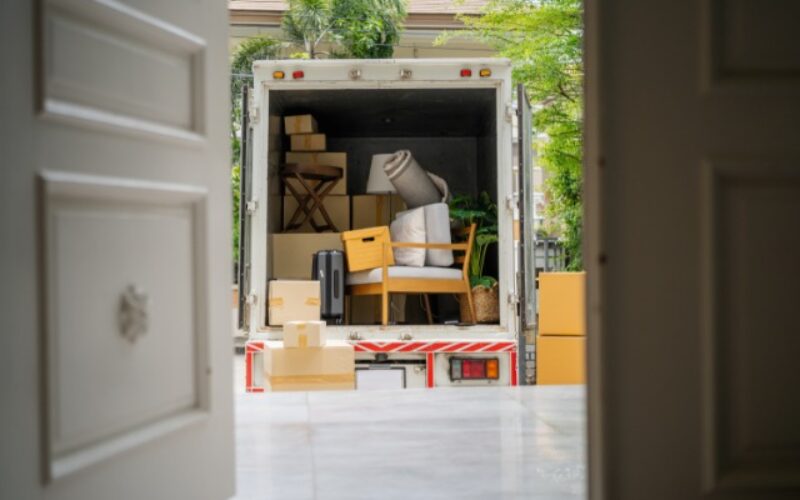

A move creates an ideal opportunity to decide what deserves a place in your next home. Years of daily life can fill rooms with possessions that once had a purpose but no longer provide much practical or personal value. Taking time to address that excess before departure can make the entire relocation feel more controlled and manageable.
Declutter work also prevents unnecessary possessions from following you into a fresh space. Every unwanted object takes up room inside a box and demands additional effort when it reaches your new residence. Instead of transferring clutter from one property to another, you can use the move as an opportunity to make thoughtful changes.
The process does not need to become an exhausting household project. A steady approach gives you enough time to assess possessions carefully without making rushed choices as your departure date approaches. With these strategies to declutter your home when moving out, you can leave your current property cleaner and enter your next home with far less excess.
Start Before the Move Feels Urgent
Waiting until the final days can turn a manageable declutter project into a stressful race against time. Pressure often leads people to pack unwanted possessions because making another decision feels harder than placing an object inside a box. An earlier start gives every room enough attention without forcing you to make dozens of choices at once.
Begin with a small space that you can complete without much difficulty. Early progress creates momentum and makes larger rooms seem less intimidating once you reach them. As your departure date approaches, you will have fewer possessions left to assess and much more space available for actual move preparation.
Think About Your Next Home
Your future residence can provide a useful standard for decisions about what deserves to stay. An object that fits your current property may have little purpose in a smaller room or a different household layout. Consider whether you can realistically see yourself using each possession once you settle into the new space.
This perspective makes difficult decisions feel more practical. Instead of asking whether an object might have value someday, focus on whether it has a clear role within your future household. Possessions without a realistic purpose can leave before they consume valuable box space and demand additional effort during the relocation.
Look Closely at Forgotten Possessions
Clutter often survives because it remains outside normal view. Cabinets and closets can conceal possessions for years, making it easy to forget how much material your household contains. A move gives you a strong reason to examine those hidden areas with fresh attention.
Take enough time to consider why each forgotten object remained untouched. Some possessions still deserve a place because they serve occasional purposes, but others remain solely because no one previously planned. Removing those neglected objects can reduce move volume without forcing you to sacrifice possessions that still matter.
Clear Large Objects Before Small Clutter
Bulky unwanted objects can make a room feel crowded before boxes even enter the space. Removing those pieces early creates room for you to work and makes the remaining clutter appear much easier to manage. Open floor space also gives you more freedom to prepare furniture and boxes for departure.
Large amounts of unwanted material may require a practical removal method before move day arrives. Learning how renting a dumpster can speed up your moving process will help you remove unwanted household waste without repeated disposal trips. Once that excess leaves the property, you can focus your attention on possessions that actually need preparation for the move.
Give Closets More Attention
Closets can contain far more than you expect because their contents remain hidden throughout normal household routines. Clothing and personal possessions often accumulate gradually, making the available space feel smaller without an obvious reason. Emptying each closet can reveal just how much excess has remained unnoticed.
One of the best strategies to declutter your home when moving is to use your present lifestyle as the basis for each decision. An object does not deserve valuable space merely because it was useful several years ago or cost a significant amount originally. Keeping possessions that still fit your needs can make your future closets easier to manage from the moment you arrive.
Treat Sentimental Items Differently
Personal possessions can require more patience because their value often comes from memories rather than practical use. An object may represent an important relationship or experience even when it has spent years inside a box. Giving these possessions separate attention can prevent emotional decisions from slowing the entire declutter process.
You do not need to remove meaningful objects simply to reduce the number of boxes. Focus instead on whether each possession still carries genuine significance or merely remains connected to a memory you can preserve without it. This distinction can help you protect meaningful pieces without keeping every object from an earlier stage of life.
Make Decisions Before You Pack
Packing an uncertain possession may feel like an easy way to postpone a difficult decision. Unfortunately, that choice transfers the same question to your next home and adds more work along the way. Every unnecessary box requires space and effort before you eventually face its contents again.
Decide what deserves transport before packing starts whenever possible. This approach makes every completed box feel purposeful because its contents already have a place within your future household. When unpack time arrives, you can focus on establishing your home instead of repeating decisions that could have occurred before departure.
Keep Declutter Work From Creating More Chaos
A home can temporarily feel messier once a major declutter project starts. Unwanted objects may spread across rooms when you remove them from closets and storage spaces without a clear destination. That disorder can make progress harder to recognize and may reduce your motivation to continue.
Move unwanted material away from active household areas as soon as possible. Clear spaces help you see the results of your work and provide more room for boxes as the move date draws closer. A cleaner environment can also make each remaining decision feel less overwhelming because excess possessions no longer dominate the property.
Declutter work can make a move feel less like a massive household disruption and more like a deliberate transition into a new space. Removing possessions that no longer deserve room reduces the amount of material that must travel with you. More importantly, it prevents old clutter from defining your new home before you have a chance to settle into it.
Give yourself enough time to make decisions with purpose rather than pressure. Each room you clear can make the next stage of the move feel easier and bring greater order to the overall process. When departure day arrives, you can focus on the transition ahead instead of wondering why you packed possessions you never wanted to keep.
Image credentials: tapui, 530815287
end of post idea for home improvement
view and analyze home improvement ideas at our LetsRenovate center
Helpful article? Leave us a quick comment below.
And please give this article a rating and/or share it within your social networks.