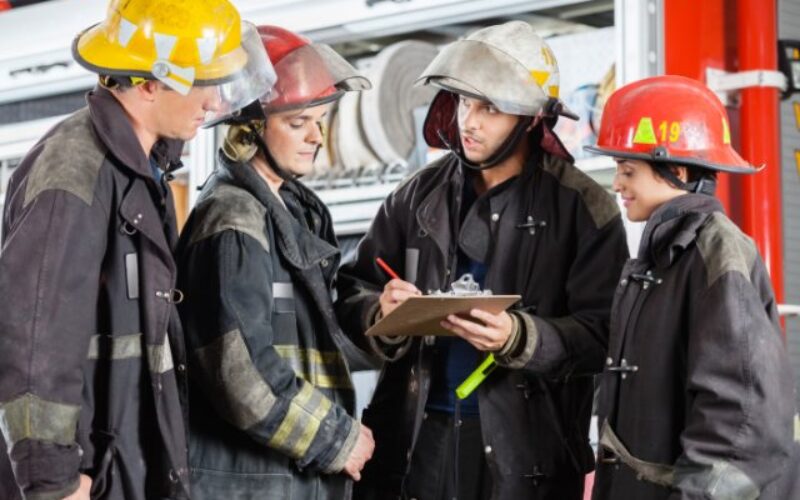

A fire alarm can turn an ordinary shift into an emergency within seconds. What happens in those seconds depends heavily on the work firefighters have already done at the station. Long before a crew responds to a call, firefighters train with equipment, inspect apparatus, maintain their fitness, and handle the routine responsibilities that keep a department functioning.
That less-visible side belongs at the heart of what aspiring firefighters should know about the job. Firefighting requires ongoing skill development and close cooperation with a crew, while unconventional schedules shape life away from work.
Understanding those realities provides a much fuller picture of the profession than emergency response alone.
Firefighters Respond to More Than Fires
Structure fires represent only one type of emergency that fire departments may handle. Depending on the department, firefighters may respond to medical emergencies or vehicle crashes. Some agencies also handle technical rescue and other specialized calls.
That variety requires firefighters to shift quickly between situations. The equipment and procedures involved can change considerably depending on what crews encounter.
Department responsibilities also depend on the community. A municipal department serving a dense city may encounter different demands from a department covering a rural area. Anyone considering the profession should expect the scope of the job to vary by location.
Entry Requirements Vary by Department
No single hiring process applies to every fire department. Agencies establish their own qualifications within applicable state or local requirements, making current job postings an important source of information for prospective applicants.
A hiring process may include a written examination or a physical ability test. Departments can also require particular certifications or education before appointment.
Those expectations affect the path into the profession. Someone who needs additional training may need to account for tuition or certification expenses before applying. Other candidates may already hold qualifications that satisfy some department requirements.
Fire service hiring may involve several stages, so prospective applicants should understand the process before applying.
Job Fitness Goes Beyond Passing a Test
A physical ability test may stand between a candidate and a job offer, but firefighter fitness serves a much larger purpose once someone joins a crew.
Firefighters may climb stairs while wearing protective equipment or advance a charged hose line. They can also work for extended periods while carrying equipment that adds weight and restricts movement.
Those demands make endurance important alongside functional strength. Physical ability standards published by individual departments can provide useful insight into the tasks candidates may encounter during testing.
Physical conditioning also remains part of the profession after recruitment. The demands of emergency work do not disappear once someone passes the hiring test, so maintaining fitness remains an ongoing part of the job.
Training Continues Throughout the Career
Graduating from an academy or earning an initial certification does not end firefighter education. Crews regularly train to maintain skills and stay familiar with department procedures.
Hands-on drills can reinforce skills such as hose handling or ladder operations. Firefighters may also train while wearing self-contained breathing apparatus to stay familiar with how the equipment affects movement and communication.
Departments may provide additional instruction when they introduce new equipment or procedures. Firefighters who pursue specialized assignments may face additional training requirements.
Ongoing education reflects the job’s changing responsibilities. Firefighters need opportunities to practice established skills while becoming familiar with new tools or procedures they may encounter during their careers.
Equipment Checks Matter Before the Alarm Sounds
Firefighters rely on apparatus and equipment during emergencies, so routine inspections are an important part of station life.
Crews may check the equipment they carry and flag visible problems that need attention. Apparatus contains larger systems that also require regular inspection and maintenance.
Routine checks can uncover problems crews cannot afford to overlook, including situations where a fire truck tank shows signs of damage and needs professional evaluation. Qualified technicians may handle repairs that require specialized expertise, but firefighters still play a role in noticing concerns during routine checks.
Equipment care offers a useful glimpse into the less visible work behind an emergency response. The condition of an apparatus matters before anyone climbs aboard for the next call.
Station Life Means Working Closely With a Crew
Firefighters rarely work independently. Emergency operations rely on coordinated crews that communicate clearly and follow an established command structure.
That working relationship continues back at the station. Firefighters may spend extended shifts with the same crew while completing station duties and training together. Sharing a workplace for long periods requires professionalism even when personalities differ.
New firefighters also need to become comfortable receiving direction. Fire service operations use defined roles because emergency scenes require coordinated action, not several people making unrelated decisions.
The crew environment makes interpersonal skills relevant to the work. Technical ability matters, but firefighters also need to function effectively within their department’s structure.
Shift Schedules Shape Life Outside the Station
Fire departments operate around the clock, so firefighter schedules differ from conventional weekday employment. The exact shift pattern varies by department.
Extended shifts can create blocks of time away from work, but they can also include overnight hours. Firefighters may work scheduled shifts during holidays because emergencies do not follow a business calendar.
The schedule can influence family routines and commuting arrangements. Someone comparing departments may find meaningful differences in how each agency organizes working hours.
Sleep deserves attention as well. Overnight calls can interrupt rest during a shift, making the experience different from simply counting the hours on a work calendar.
Look Beyond the Starting Salary
Salary matters when choosing a career, but firefighter compensation involves more than the number attached to an entry-level position. Benefits and retirement arrangements can vary considerably among employers.
Overtime policies and opportunities for advancement can also affect earnings over a career. Additional certifications may influence eligibility for certain assignments or positions depending on the department.
The path into firefighting may come with its own expenses. Required education or certifications can create costs before employment begins, so consider them alongside expected compensation.
Looking at the broader financial picture gives prospective firefighters a more useful understanding of what a particular position may mean over time.
Know What the Application Process Requires
Once you identify a department that interests you, focus on its published requirements instead of relying on a generic firefighter checklist.
Before applying, check:
- Education and certification requirements
- Physical ability testing standards
- Training or application expenses
- Shift structure and compensation details
Official department information should guide these decisions because hiring standards can differ between agencies. A focused review also keeps applicants from spending unnecessary time or money on qualifications that a particular department does not request.
Understand the Job Beyond the Emergency Calls
Firefighting combines highly visible emergency work with hours of responsibilities the public rarely sees. A firefighter might spend part of a shift practicing a skill and another portion checking equipment before an alarm changes the day’s pace.
That contrast captures what aspiring firefighters should know about the job. Emergency response matters enormously, but the profession also depends on consistent work between calls.
The people entering the fire service commit to much more than responding when something goes wrong. They become part of a crew that trains together and maintains the equipment it depends on. Seeing that complete picture makes the everyday reality of firefighting much easier to understand.
Image Credentials: Photographer: Tyler Olson File #: 88931504
end of post idea for home improvement
view and analyze home improvement ideas at our LetsRenovate center
Helpful article? Leave us a quick comment below.
And please give this article a rating and/or share it within your social networks.