
Pressure in industrial processes can create serious hazards when equipment no longer contains or controls it as intended. A worn component or an incorrect operating condition can leave workers facing risks that aren’t always obvious from the outside. Preventing hazards in industrial equipment starts with understanding where pressure can build and treating safe control as part of everyday operations. When you combine thoughtful equipment management with consistent maintenance practices, you can address developing concerns before they put people at risk.
Understand Where Pressure Hazards Develop
Before you can control a pressure hazard, you need to understand where it can develop in your equipment. Pressurized liquids or gases can remain trapped inside piping and other components after normal operation stops. If workers assume the equipment no longer contains pressure, they may approach maintenance without recognizing the remaining stored energy.
You should consider the complete operating path rather than focusing only on the component that needs attention. Pressure conditions can change as equipment starts, stops, or responds to changing process demands. Understanding those changes helps you identify situations where workers may encounter unexpected pressure.
Look Beyond Normal Operating Conditions
Normal operation only tells you part of the story. You also need to consider what happens when equipment doesn’t respond as expected or when workers take a system offline.
A blocked flow path can change conditions elsewhere in the system, while an improperly isolated section may retain pressure after shutdown. Thinking through abnormal conditions gives you a clearer picture of where additional precautions may matter.
Make Pressure Control Part of Safety Planning
You’ll get better results when pressure safety becomes part of routine planning rather than a response to a problem. Before workers operate or service pressurized equipment, they should understand the expected conditions and know what changes could indicate trouble.
Strong safety programs also depend on people sharing knowledge. Professional communities can give safety personnel access to continuing education and shared expertise that supports stronger workplace practices.
That shared understanding matters when several departments interact with the same equipment. When operations and maintenance teams communicate clearly, workers can make decisions with a better understanding of current equipment conditions.
Inspect Equipment Before Problems Escalate
You shouldn’t have to wait for a major malfunction to investigate a change in equipment behavior. Routine inspections help you notice conditions that deserve closer attention while you still have time to respond deliberately.
Workers who regularly operate equipment may notice subtle changes before anyone else. You can make those observations more useful by giving employees a clear process for reporting concerns and ensuring qualified personnel review them promptly.
During routine equipment reviews, pay attention to warning signs that could justify further evaluation by:
- Looking for visible leakage around connections or sealing areas
- Listening for unusual sounds during operation
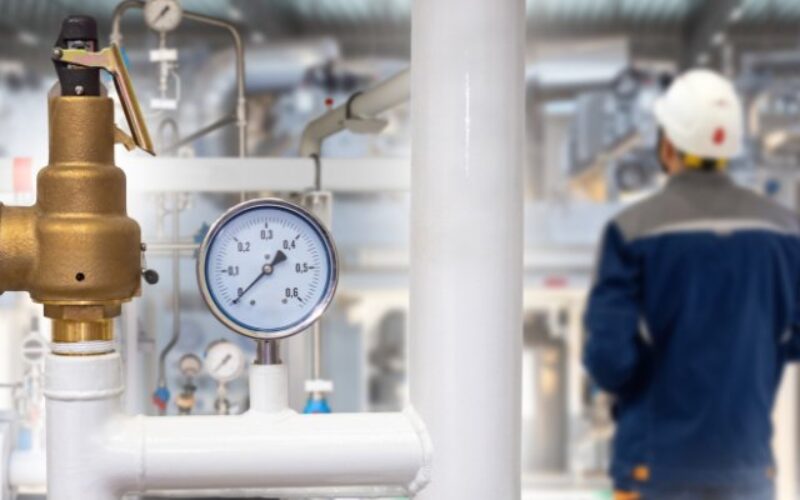
- Checking pressure readings for unexpected behavior
- Watching for changes in equipment response
- Documenting recurring concerns for maintenance review
Use Maintenance to Support Pressure Safety
A broader industrial maintenance strategy can help you address equipment condition before a failure forces an unplanned response. For managers responsible for pressurized equipment, that approach creates more opportunities to identify wear or changing performance while you can still address the issue under controlled conditions.
You’ll also want to consider how individual components affect the larger system. When integrating specialty valves into complex fluid systems, engineers need to account for the valve’s interaction with surrounding equipment and changing operating conditions. Looking at those relationships during maintenance can help you recognize when a concern extends beyond one component and requires a broader system review.
Control Pressure Before Maintenance Begins
Workers need to know the condition of equipment before they open, disconnect, adjust, or service anything that could contain pressure. A shutdown command alone doesn’t necessarily tell you whether stored energy remains in the system.
Follow the site’s established energy-control procedures and applicable equipment instructions. Workers should verify that they’ve reached the required safe condition rather than assuming isolation or shutdown removed the hazard.
You also need to account for conditions that could allow pressure to return unexpectedly. Clear procedures help workers understand what they must verify before starting the task and what conditions require them to stop.
Keep Workers Informed About Equipment Conditions
A safe maintenance process depends on accurate information moving between the people who operate equipment and those who service it. If one shift notices unusual pressure behavior but the next team never receives that information, workers may approach the equipment without important context.
You can reduce that gap by making equipment concerns part of routine communication. Clear maintenance notes and shift handoffs give workers a better understanding of what has changed since they last interacted with the system.
This approach also reinforces accountability without placing the entire burden on one person. Everyone who works around pressurized equipment contributes observations that can help qualified personnel recognize developing concerns.
Review Changes Before Returning to Operation
Repairs and equipment changes can alter conditions beyond the immediate work area. Before you return equipment to normal operation, confirm that the system matches the intended configuration and that workers have completed the required checks.
You should also consider whether the work introduced new operating considerations. If technicians replaced a component or changed part of the system, operators need the information necessary to understand what’s different.
Careful restart practices give your team another opportunity to identify an issue. That final review connects maintenance work with safe operation rather than treating them as separate responsibilities.
Build Pressure Safety Into Daily Decisions
Preventing pressure hazards requires more than reacting promptly when something goes wrong. You create stronger protection when workers understand equipment conditions, communicate concerns, and treat maintenance as part of safe operation.
For facility leaders, preventing pressure hazards in industrial equipment also means creating an environment where workers don’t have to choose between production demands and raising a legitimate equipment concern. When someone notices unusual behavior, your process should make the next step clear.
Pressure hazards can develop quietly, but your response doesn’t have to start after a failure. Look at the systems your team works around today and consider whether workers can recognize changing conditions. That question can give you a practical starting point for strengthening the way your facility manages pressurized equipment.
Image Credentials: Grispb, 1876564425
end of post idea for home improvement
view and analyze home improvement ideas at our LetsRenovate center
Helpful article? Leave us a quick comment below.
And please give this article a rating and/or share it within your social networks.