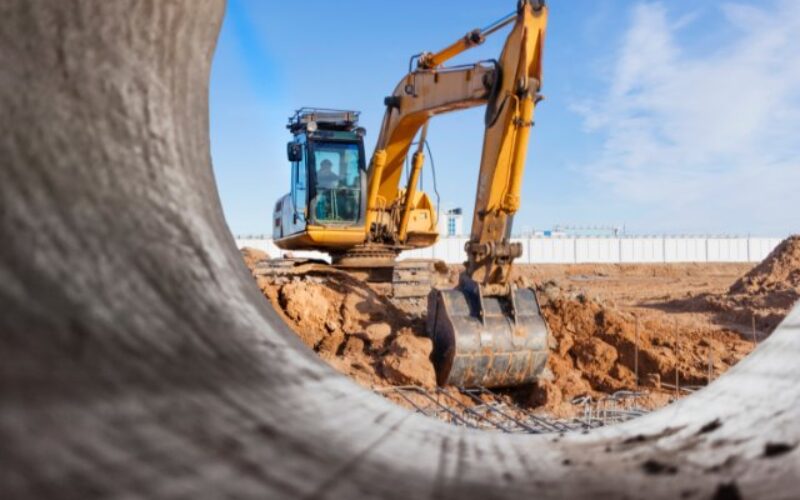
Instead of focusing only on moving dirt, pay attention to technique, machine control, and daily maintenance. Small improvements during every shift lead to better performance over time. Whether you plan to work in construction, landscaping, or utility projects, the following tips will help you gain confidence and improve your skills while protecting both yourself and your equipment.
Learn the Machine Before Starting
Every excavator has unique controls, features, and operating limits. Spend time reading the operator’s manual before your first job. Learn what every switch, pedal, and display does so you never guess while working.
Walk around the machine before climbing into the cab. Check the tracks, bucket, hydraulic hoses, mirrors, and fluid levels. Look for leaks, loose bolts, or damaged parts. A few minutes of inspection can prevent hours of downtime later.
Adjust your seat, mirrors, and controls before starting the engine. A comfortable position helps you maintain better control and reduces fatigue throughout the day.
Master the Basic Controls
New operators often rush into complicated tasks before they understand the controls. Instead, practice simple movements until they feel natural. Move the boom, stick, bucket, and swing separately before combining them into smooth motions.
Focus on precision instead of speed. Slow, controlled movements improve accuracy and reduce unnecessary wear on the hydraulic system. As your confidence grows, your speed will improve naturally.
Spend time practicing in an open area without obstacles whenever possible. Repeating basic movements builds muscle memory and prepares you for more challenging work environments.
Always Keep Safety First
Safe operation should remain your highest priority on every project. Before digging, inspect the entire work area for hazards such as overhead power lines, underground utilities, unstable ground, and nearby workers.
Wear proper personal protective equipment every day. Standard safety gear includes:
- A hard hat
- High-visibility clothing
- Steel-toe boots
- Safety glasses
- Hearing protection when needed
Keep bystanders outside the machine’s operating radius. Use clear hand signals or radios when working with ground crews. Good communication prevents accidents and keeps everyone aware of machine movements.
Never overload the bucket or attempt lifts beyond the machine’s rated capacity. Following the manufacturer’s limits protects both the equipment and the operator.
Develop Smooth Digging Techniques
Beginners sometimes use excessive force because they believe aggressive movements increase productivity. In reality, smooth operation produces better results and reduces stress on the excavator.
Position the machine on stable, level ground whenever possible. Keep the tracks aligned with the direction of heavy digging to improve stability. Plan each digging pass before lowering the bucket into the ground.
Avoid jerky movements while lifting or swinging material. Consistent control keeps loads balanced and makes dumping more accurate. You will also place less strain on hydraulic components and reduce fuel consumption.
Take time to create clean trench walls and even excavation depths. Careful work often eliminates extra cleanup and saves valuable project time.
Stay Aware of Your Surroundings
An experienced operator constantly watches more than the bucket. Monitor people, equipment, traffic, and changing site conditions throughout the day.
Check your mirrors frequently and look over both sides before swinging the upper structure. Blind spots exist on every excavator, so never assume someone can see you.
Weather also affects job site safety. Rain softens soil, while snow and ice reduce traction. Strong winds create additional challenges when lifting materials. Adjust your operating style as conditions change instead of following the same routine every day.
Practice Proper Maintenance Habits
Good maintenance keeps an excavator reliable and extends its working life. Build a routine that includes daily inspections before every shift and quick checks throughout the day.
Clean dirt from the undercarriage regularly because packed debris increases wear on tracks and rollers. Grease moving joints according to the manufacturer’s recommendations and monitor fluid levels consistently.
Pay attention to unusual sounds, warning lights, or changes in machine performance. Small problems often become expensive repairs when operators ignore them. Reporting issues early allows technicians to fix them before they interrupt your schedule.
Another important habit involves understanding replacement parts. Learn which components wear the fastest, compare quality options, and choose parts that match your equipment specifications. Making informed decisions helps maintain performance and reduces the chance of unexpected breakdowns.
Improve Your Bucket Control
Bucket control separates average operators from skilled professionals. Instead of making large corrections, use small adjustments throughout each movement. Gentle control creates smoother digging and more accurate grading.
Keep the bucket angle appropriate for the material you handle. Hard-packed soil, loose gravel, and clay each require slightly different techniques. Observe how the bucket enters and exits the ground, then adjust your approach as needed.
When loading trucks, avoid dropping material from excessive heights. Controlled loading reduces dust, protects truck beds, and improves efficiency for everyone on the site.
Build Good Fuel Efficiency Habits
Fuel costs add up quickly on busy job sites. Smart operating habits help reduce unnecessary fuel consumption without sacrificing productivity.
Avoid long periods of unnecessary idling. Shut down the machine when extended breaks occur if site conditions allow. Plan your digging pattern carefully so you minimize unnecessary travel and repeated repositioning.
Operate the engine within the recommended speed range for the task. Full throttle does not always produce better results. Efficient machine movements often complete work faster while using less fuel.
Keeping the machine properly maintained also supports better fuel economy. Clean filters, healthy hydraulic systems, and properly adjusted components allow the excavator to perform at its best.
Keep Learning From Experienced Operators
Every experienced operator developed skills through practice and observation. Ask questions whenever you have the opportunity. Most professionals enjoy sharing practical advice that comes from years of real job site experience.
Watch how skilled operators position their machines, control the bucket, and communicate with coworkers. Notice how they stay calm even during difficult tasks. Try to apply one new lesson during each shift instead of changing everything at once.
Training courses, manufacturer demonstrations, and online instructional videos also provide valuable knowledge. Combining hands-on practice with continued learning helps you improve much faster than relying on experience alone.
Build Confidence Through Consistent Practice
Confidence grows through repetition, not luck. Set realistic goals for every workday and focus on improving one skill at a time. Maybe you want smoother bucket control, straighter trenches, or better machine positioning. Small achievements create lasting progress.
Accept mistakes as part of the learning process, but always analyze what happened and adjust your technique. Every challenge gives you another opportunity to become a more capable operator.
With patience, consistent practice, and strong safety habits, you will develop the skills needed to operate an excavator efficiently and responsibly. The more attention you give to technique, maintenance, and awareness, the more valuable you will become on any job site. Success starts with steady improvement, and every hour behind the controls helps you build experience that lasts throughout your career.
Image Credentials: By Anoo, File 505345160
end of post … please share it!
end of post idea for home improvement
view and analyze home improvement ideas at our LetsRenovate center
Helpful article? Leave us a quick comment below.
And please give this article a rating and/or share it within your social networks.