
The workplace is undergoing a massive transformation. Companies are moving away from rigid layouts and isolated workstations in favor of dynamic spaces that spark creativity and teamwork. Let’s explore modern office design trends to see how they can boost collaboration in your workplace.
Open Layouts With Defined Zones
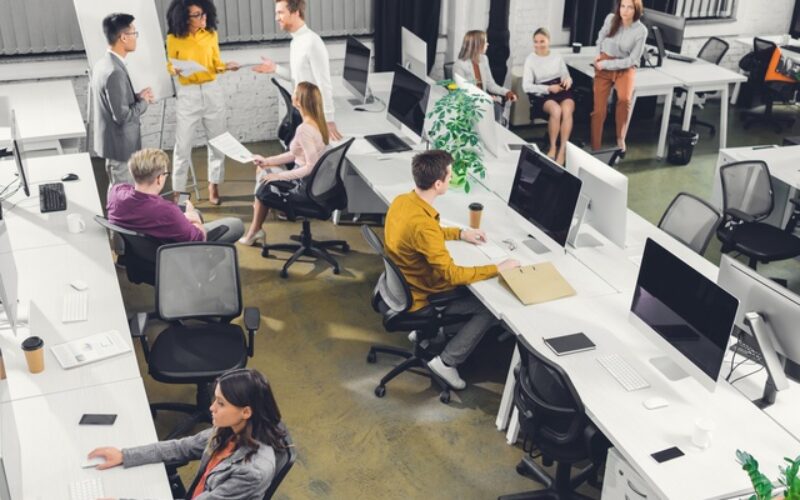
Open office plans still dominate, but they’re evolving. Rather than a chaotic, distraction-prone setup, today’s open offices use defined zones to balance openness with structure. Dedicated areas for meetings, heads-down work, brainstorming, and relaxation provide employees with the freedom to move while still feeling supported. Architectural features like varied flooring materials visually separate these zones without disrupting flow.
Glass Partitions for Transparency
Walls don’t have to create isolation in the workplace. Glass partitions provide visual openness, reduce noise, and offer a sense of privacy. They’re perfect for team meetings, quick huddles, or quiet conversations without cutting off natural light. If you’re considering adding them to your space, you may want to explore how to permanently install office partition walls.
Technology Integration
Smart offices seamlessly blend technology with physical design. Interactive displays in meeting rooms enable real-time collaboration, while wireless presentation systems eliminate the need for crowded conference tables. Video conferencing capabilities built into various spaces support hybrid teams.
Add charging stations and power outlets throughout the office to ensure employees stay connected regardless of where they choose to work.
Collaborative Furniture Solutions
Furniture plays a major role in how teams interact. High-backed sofas, standing desks, movable whiteboards, and round tables promote spontaneous conversation and creative thinking. By providing employees with versatile seating options and comfortable gathering spaces, businesses demonstrate that collaboration is integral to their daily workflow.
Flexible Workstations and Agile Design
Permanent desks are fading as companies shift toward greater flexibility. Employees now float between hot desks, lounge areas, and collaboration zones depending on their needs.
Agile design makes it easy to rearrange workspaces for specific projects or team dynamics. This mobility keeps ideas flowing and makes people feel more engaged in their work environment.
Acoustic Design for Focused Collaboration
Noise control plays a critical role in effective collaboration. Without proper acoustics, even well-designed spaces become distracting and unproductive.
Acoustic panels, ceiling baffles, sound-absorbing furniture, and noise-friendly flooring materials manage sound levels throughout the office. By reducing echo and controlling noise spillover, businesses create environments where teams communicate clearly without disturbing others.
Natural Design Elements
Natural elements can help reduce office stress. For instance, living walls and potted plants create calming environments that encourage teams to feel more relaxed and open to sharing ideas.
Water features and natural textures add sensory variety that stimulates different types of thinking. These elements make offices seem less sterile and more welcoming for shared work.
As work continues to evolve, so should the environments we create to support it. Embracing modern office design trends that boost collaboration leads to a more productive and satisfied team. Design your space with intention—incorporate open layouts, flexible zones, and the right tools to support your operations. When your office encourages interaction and adaptability, teamwork becomes part of your everyday culture.
Image Credentials: By LIGHTFIELD STUDIOS, File 243325703
end of post idea for home improvement
view and analyze home improvement ideas at our LetsRenovate center
Helpful article? Leave us a quick comment below.
And please give this article a rating and/or share it within your social networks.