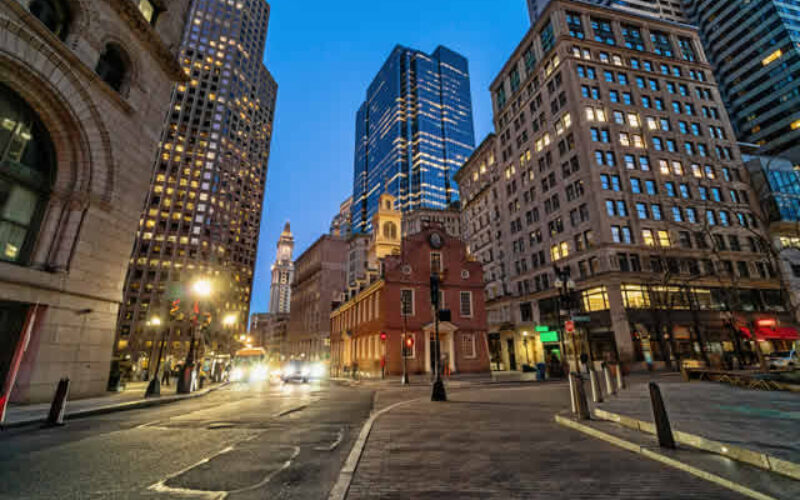
The right community makes all the difference between a smooth transition and a daily struggle. This guide breaks down which areas genuinely support a car-free lifestyle and why your location choice matters more than anything else.
Why Location Is Everything in Massachusetts
Massachusetts is a state of contrasts. You can go from a small town to big city living within thirty minutes on a commuter rail line. That range means your quality of life without a car depends heavily on exactly where you land. Boston and its inner suburbs offer robust transit options. Further out, the infrastructure thins quickly, and car-free living becomes far less practical.
Before you commit to a neighborhood, think carefully about the expenses you need to prepare for, especially transit passes, walking distance to groceries, and any delivery fees that replace errands you would normally drive. These costs add up faster than most people expect.
Boston: The Obvious Choice
Boston remains the most car-free-friendly city in New England. The MBTA subway system, known locally as the T, connects most major neighborhoods efficiently.
Neighborhoods like Jamaica Plain, Somerville, and Cambridge sit close to multiple T stops. Residents can grocery shop, visit doctors, and reach entertainment without ever needing a vehicle.
Rent in Boston runs high, but you offset that by eliminating car payments, insurance, and parking fees. A monthly LinkPass for unlimited MBTA rides costs around $90. Compare that to the average $500-plus monthly car ownership cost, and the math often favors the city.
Cambridge and Somerville: Dense, Walkable, and Well-Connected
Cambridge consistently ranks among the most walkable cities in Massachusetts. Harvard Square, Kendall Square, and Central Square all sit on the Red Line.
Somerville’s Green Line Extension opened several new stations in recent years. Both cities attract students, researchers, and professionals who actively choose not to own cars.
Career moves that affect residency plans often lead people toward these two cities. Tech workers, academics, and healthcare professionals can reach major employers entirely by foot or rail. Living car-free here feels like a deliberate lifestyle upgrade rather than a compromise.
Brookline and Newton: Suburban Feel With Real Transit Access
Not everyone wants dense urban living. Brookline offers a quieter atmosphere while sitting directly on multiple Green Line branches. You can walk tree-lined streets, shop at local markets, and still reach downtown Boston in under twenty minutes. Newton also has commuter rail access, though coverage varies by village.
These towns make your daily commute more bearable because the train frequency stays high during peak hours. Residents report spending less time in transit stress compared to drivers stuck on Route 9 or I-90. The tradeoff is higher rent, but many families find the savings on transportation offset housing costs meaningfully.
Lowell and Worcester: Affordable Alternatives Worth Considering
Boston is not the only viable option for moving to Massachusetts without a car. Lowell sits on the commuter rail Lowell Line with regular service into North Station.
The city center offers walkable access to groceries, restaurants, and medical facilities. Rents run significantly lower than Boston, which matters when you are restructuring your budget around transit costs.
Worcester is the state’s second-largest city and has seen major transit investment in recent years. The Worcester Line connects directly to Boston’s South Station in under an hour.
A growing downtown restaurant and arts scene means residents spend less time traveling for entertainment. Both cities reward car-free residents who stay close to the urban core.
Communities to Approach With Caution
Some Massachusetts towns look appealing on paper but create real hardship without a car. Most of Cape Cod, the Pioneer Valley outside Northampton, and many South Shore suburbs have limited or infrequent bus service.
Grocery stores, pharmacies, and job centers often sit miles from residential areas. Living car-free in these locations requires serious planning and significant workaround costs.
Northampton is a partial exception. It has a walkable downtown and bike infrastructure, but commuting to larger employment centers gets complicated fast. If your job or school sits outside walking or biking range, assess the bus schedule carefully before signing a lease.
What to Budget When You Go Car-Free
A car-free life in Massachusetts is financially realistic if you plan ahead. Here are the main costs to factor into your monthly budget:
- MBTA monthly passes range from $90 for subway-only to around $400 for outer commuter rail zones.
- Grocery delivery through Instacart or Amazon Fresh adds convenience but costs an extra $50 to $100 monthly in fees and tips.
- Occasional rideshare trips for medical appointments or heavy errands typically run $30 to $60 monthly.
- Bike maintenance or a bikeshare membership adds a small but worthwhile buffer for short trips.
Most car-free Massachusetts residents report saving between $400 and $700 monthly compared to their car-owning counterparts. The numbers work — you just need to track them honestly.
Making the Move Work Long-Term
Sustainability matters as much as the initial decision. Before you sign a lease, work through this checklist:
- Map your daily destinations — grocery store, workplace, healthcare — and confirm each is reachable by foot or transit.
- Visit the neighborhood at different times of day to test real commute conditions, not just the ideal scenario.
- Check MBTA schedules for your specific route, including off-peak and weekend frequency.
- Join local Facebook groups or Reddit communities where residents share transit tips and grocery hacks.
The car-free community in Massachusetts is active and genuinely helpful to newcomers. A little upfront research saves a lot of frustration later.
Massachusetts Rewards Those Who Plan Ahead
Moving to Massachusetts without a car is not just possible — it can be a genuinely smart financial decision. The key is choosing a community where transit infrastructure actually supports your lifestyle.
Boston, Cambridge, Somerville, Brookline, Lowell, and Worcester all offer realistic paths to car-free living. Do your research, run your numbers honestly, and pick a neighborhood that works with your life rather than against it.

Image Credit: moving to massachusetts by envato.com
end of post … please share it!
end of post idea for home improvement
view and analyze home improvement ideas at our LetsRenovate center
Helpful article? Leave us a quick comment below.
And please give this article a rating and/or share it within your social networks.