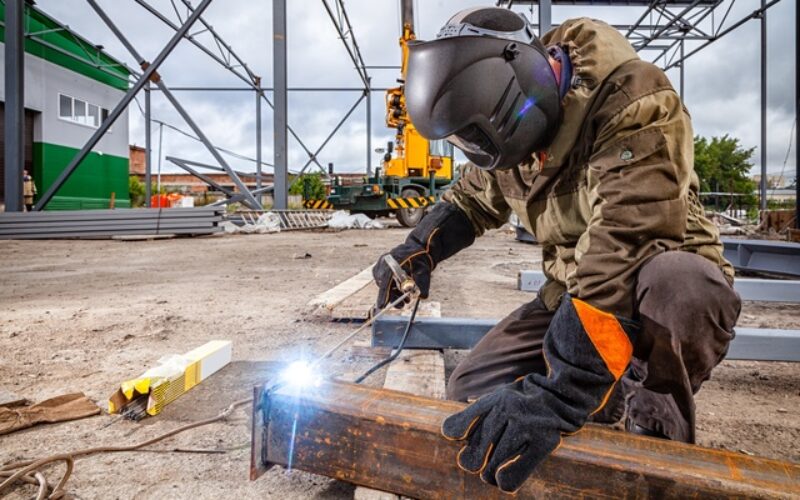
However, you must approach the field with a focus on safety from the beginning. Below are some essential safety tips to help you prepare for a job in welding, so you remain protected while developing your craft.
Get the Right Clothes
One of the first things you must consider as a welder is the kind of clothing you’ll wear on the job. Welding involves sparks, heat, and molten metal, all of which pose risks to your body.
Flame-resistant (FR) clothing is a must, including essentials such as pants, jackets, and gloves. Pay special attention to key features of FR pants designed for welding, such as their durable fabric, ability to withstand high heat, and comfortable fit for optimal mobility.

You should also invest in long-sleeved shirts and welding aprons that protect you from burns and other hazards. Avoid wearing clothing with synthetic fibers, as they can melt when exposed to heat, causing additional injuries.
Follow Proper Workplace Procedures
Even if you anticipate receiving on-the-job training, conduct your own research about safety. Learn about the different welding types and which safety protocols apply to each.
Before starting any welding task, ensure you fully understand the project requirements and identify potential hazards in the workspace. This includes inspecting the work area for flammable materials, ensuring proper ventilation, and confirming that fire extinguishers are accessible and operational.
Additionally, always follow a consistent pre-welding checklist. This includes inspecting your tools, setting up your workspace, and verifying that your equipment is functioning correctly. Never skip these steps, as small oversights can lead to serious accidents.
Learn Various Welding Tools
Study the operational manual for each tool you’ll encounter, paying close attention to instructions for safe use and maintenance. Knowing how to handle a welding machine, for example, ensures that you can correctly adjust settings for voltage and amperage based on each project.
Along with operational knowledge, learn how to inspect your equipment for potential malfunctions. Tools in poor condition increase the likelihood of accidents, so identifying issues early is crucial.
As you progress in your career, make sure to take advantage of any opportunity for training or upskilling. This can include attending workshops and seminars, enrolling in additional courses or certifications, and seeking mentorship from experienced welders. By continuously learning and improving your skills, you can become a more efficient and successful welder.
Put on Your PPE
You need a welding helmet with a protective visor, gloves, steel-toed boots, and safety glasses. Remember, every piece of personal protective equipment (PPE) serves a unique purpose.
Another one of our top safety tips to help you prepare for a job in welding is to double-check that your PPE functions as intended before starting a welding task. A cracked helmet or worn gloves compromise your safety, which you cannot afford in this line of work.
Image Credit: by Виталий Сова, 219257702
end of post … please share it!
end of post idea for home improvement
view and analyze home improvement ideas at our LetsRenovate center
Helpful article? Leave us a quick comment below.
And please give this article a rating and/or share it within your social networks.