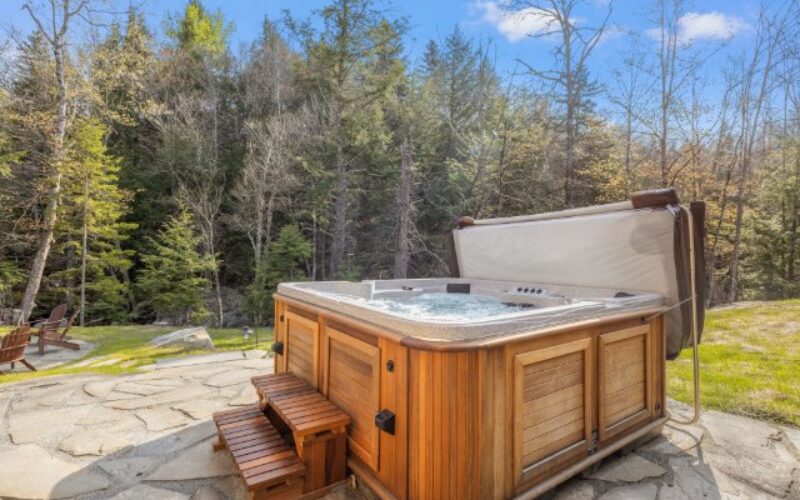
But from an investment standpoint, adding a spa involves much more than simply picking a model and finding a place to put it.
Property owners need to consider the upfront purchase, installation, ongoing maintenance, utilities, insurance, and the possibility of repairs. There’s also the question that matters most for practically any rental upgrade: Will the investment actually pay off?
Before making a purchase, take a closer look at the financial and practical considerations that can determine whether a spa will be a valuable rental amenity—or an expensive headache. Here’s everything you need to know before adding a spa to your rental.
Investment Potential
Evaluate a spa as an investment. Something that you would happily purchase for your own enjoyment may not necessarily make financial sense at your rental property.
Think about your typical renters. A vacation home marketed to couples, families, or groups seeking relaxing getaways may benefit considerably from a hot tub, but a long-term rental in an area where outdoor amenities have little influence on demand may be a different story.
Look at comparable rentals in your market. Do properties with hot tubs command higher nightly rates? Are the spas frequently mentioned in reviews? Do competing listings prominently feature them? This research can help you determine whether renters will actually value the amenity before you commit thousands of dollars to it.
The Purchase Price
The sticker price is only the beginning of the investment. Installation can introduce additional expenses depending on the property and the spa you choose. You may need to pay for electrical work, a concrete pad or reinforced deck, delivery, permits, fencing, or changes to the surrounding outdoor space. Difficult access to the backyard could increase delivery and installation costs as well.
Create a realistic project budget before buying anything. Include the spa itself, site preparation, installation costs, any accessories, permits, and a contingency amount for unexpected expenses. Then, estimate what the upgrade would need to generate to justify that investment.
For example, suppose the entire project costs $10,000. If having a spa allows you to earn an additional $50 per booked night, it would take 200 booked nights at that premium just to equal the initial investment. That simplified calculation doesn’t include operating expenses, financing costs, potential repairs, or additional bookings that the amenity might generate, but it illustrates why running the numbers matters.
Ongoing Operating Costs
Unlike many property upgrades, a spa continues costing money after installation. Water needs to be heated and circulated, filters need to be periodically cleaned and replaced, and chemicals must be regularly monitored. Owners should also budget for periodic servicing and eventual repairs.
Electricity can be a particularly important consideration in colder climates or at properties where the spa will remain available throughout the year. Factors such as insulation, covers, equipment condition, and usage habits can influence energy consumption. Understanding energy efficiency and ways to lower your spa’s operating costs can help you build a more realistic estimate of what the amenity may cost over time.
Compare those expenses with the additional revenue you reasonably expect the property to generate. Higher occupancy, longer stays, or a modest nightly rate increase could potentially offset the expenses, but don’t base your projections on a best-case scenario.
Maintenance Requirements
You can’t simply fill and forget a rental spa. Maintaining safe, clean water requires consistent attention. For a vacation rental, you may need to check the spa between guests. You’ll have to regularly monitor the water chemistry, filters, covers, and equipment when many different people are using the spa.
If you manage the property yourself and live nearby, you may be able to handle some of this work. If the rental is managed remotely, however, you’ll probably need to hire someone.
Get estimates from local maintenance providers before purchasing the spa. Adding these expenses to your financial projections beforehand is better than discovering later that the necessary upkeep substantially reduces your expected return.
Repairs and Replacement
Even a well-maintained spa won’t last forever. Components eventually wear out, and unexpected repairs can occur.
Include spa-related costs in your property’s maintenance reserve. Setting aside money each month can make an eventual pump, heater, cover, or control-system replacement less disruptive to your cash flow.
You should also consider the long-term replacement cycle. If you eventually need to replace the spa, will rental income support another major purchase? Or would removing the amenity negatively affect bookings after guests have come to expect it? Thinking several years ahead can prevent today’s attractive upgrade from becoming tomorrow’s financial surprise.
Liability and Insurance
Any amenity involving water creates potential safety concerns. Before installing a spa, contact your insurance provider and explain what you’re considering. Ask whether a hot tub would change your premiums, coverage requirements, or liability exposure. Your insurer may also have specific requirements regarding locks, covers, barriers, signage, or other safety measures.
Local building and safety codes can also affect the project. Depending on where the property is located, you might need permits, electrical inspections, fencing, or specific safety equipment.
Establish Clear Rules for Renters
Guests may not treat a rental spa the same way they would treat their own. Clear rules can protect renters and your investment. Renter rules should explain basic operation and any restrictions that guests need to follow. You might establish policies concerning maximum occupancy, children, glass containers, food, pets, or replacing the cover after use.
Durability
A rental spa may experience heavier or less careful use than one installed at a private residence. That can change which features deserve priority. For instance, a complicated control system or numerous luxury features may look impressive, but reliability and ease of operation could be more valuable in a rental environment.
Consider the quality of the shell, cover, pumps, controls, and other components. Research the warranty terms and determine whether qualified service technicians are readily available near the property.
Downtime also matters for rentals. If guests specifically booked your property because it advertised a hot tub and it isn’t working when they arrive, you could face complaints, refunds, or negative reviews.
Ultimately, everything you need to know before adding a spa to a rental comes down to balancing guest appeal with financial reality. A hot tub may help a property stand out, support higher rates, or attract travelers looking for specific amenities. However, you should weigh those potential benefits against the costs of installation, maintenance, utilities, insurance, and repairs.
Run conservative numbers, investigate local requirements, and think about who will handle the ongoing work before committing your money. When the expected benefits comfortably justify the initial investment as well as recurring costs, a spa can be more than a nice amenity—it can become a carefully planned part of your rental property’s overall strategy.
Image credentials: photo by Allan Wolf/Wirestock Creators, license # 630023218
end of post … please share it!
end of post idea for home improvement
view and analyze home improvement ideas at our LetsRenovate center
Helpful article? Leave us a quick comment below.
And please give this article a rating and/or share it within your social networks.