In this article we will explore three core reasons why metal recycling matters, look at the rules that shape the industry down and give you clear steps to start recycling metal in a scrappy, cost‑effective way.
Whether you are a homeowner, a small business, or a community group, the information below will help you make a real difference.
Reason 1 – Reduces Energy Use and Cuts Carbon Emissions
How Metal Recycling Saves Energy
When metal is melted down from raw ore, it can consume up to 90 % more energy than when it is recycled from scrap. The difference is huge because the mining, refining and transport of virgin metal are all energy‑intensive processes.
By feeding scrap into a furnace, the metal can be melted at lower temperatures and with less fuel, which directly reduces the amount of electricity or gas needed.
- Recycling aluminium saves about 95 % of the energy required to produce new aluminium.
- Steel scrap can cut energy use by roughly 60 % compared with primary steel production.
- Every tonne of recycled copper avoids the emission of around 4 tons of CO₂.
Carbon Impact
Carbon budget are tight, and the government of Australia for example, has set targets to cut emissions by 43 % below 2005 levels by 2030. Metal recycling contributes directly to those targets.
For example, the Australian Department of Industry, Science, Energy and Resources reports that recycling steel alone can prevent the release of over 2 million tons of CO₂ each year.
When households and small businesses sort their metal waste, they become part of a national effort to keep the atmosphere cleaner.
Reason 2 – Conserves Natural Resources and Reduces Waste
Keeping Landfills Clear
Every year, busines and consumers generate millions of tons of waste, and a large share of that waste is metal that could be reused. When metal ends up in a landfill, it not only occupies space but also risks leaching harmful substances into soil and groundwater.
By diverting metal to recycling facilities, we keep landfills smaller and protect the environment.
- Recycling one tonne of steel saves roughly 1.5 tons of iron ore.
- Aluminium recycling avoids the need for bauxite mining, which can damage ecosystems.
- Recycled copper reduces the demand for new copper mines that often affect remote communities.
Supporting Local Mining and Indigenous Land
Mining sectors are a major part of the economy, but it also impacts Indigenous lands and cultural heritage sites. By recycling metal, we lessen the pressure to open new mines, helping to preserve these areas.
Many Aboriginal groups support metal recycling initiatives because they align with traditional values of stewardship and resource sharing.
Reason 3 – Boosts the Economy and Creates Jobs
The Metal Recycling Market
The metal recycling industry contributes billions of dollars to an economy each year. It supplies raw material to manufacturers, reduces import costs, and creates a supply chain that spans from collection points to processing plants.
In 2023 the sector employed over 30 000 people, many of whom work in regional towns where jobs are scarce.
- Recycling creates jobs in collection, sorting, transport and processing.
- Local manufacturers benefit from cheaper, locally sourced scrap metal.
- Export of processed metal adds to national trade revenue.
Small‑Scale Opportunities for Scrappy Communities
Even if you are not a large company, there are plenty of ways to join the metal recycling movement. Community groups can set up collection drives, schools can run educational programs, and hobbyists can sell scrap to nearby processors.
These small actions add up and can generate extra income for local charities or community projects.
How to Get Started with Metal Recycling
Understanding Local Regulations
Countries like Australia has clear rules that guide how metal waste should be handled. The main legislation is the National Waste Policy, which encourages the hierarchy of reduce‑reuse‑recycle.
Each state and territory also has its own guidelines, such as the NSW Waste Management Act and the Victoria Waste Management Regulations.
Knowing these rules helps you stay compliant and avoid fines.
- Separate metal from other waste streams at the source.
- Use licensed collection services for hazardous metals (e.g., lead, cadmium).
- Maintain records of the amount of metal you send for recycling.
- Follow local council instructions on drop‑off points and collection days.
Finding a Reliable Provider
Choosing the right recycling partner is key to a smooth process. Look for providers that are accredited by the Australian Recycling Association and that publish transparent pricing.
Many businesses offer free collection for bulk metal, while others have convenient drop‑off bins at shopping centres or community halls.
- Check that the provider has a licence to process metal waste.
- Read online reviews or ask neighbours for recommendations.
- Confirm that the provider follows the Australian Standard AS 3745 for safety.
- Ask about the end‑use of your metal – many processors sell it to local manufacturers.
DIY Tips for Scrappy Recyclers
If you prefer a hands‑on approach, there are simple steps you can take at home or in a small workshop.
- First, clean the metal to remove food, oil or paint – this makes it easier for the recycler to process.
- Second, separate different types of metal (ferrous vs. non‑ferrous) because they have different recycling streams.
Finally, store the metal in a dry, covered area to prevent rust, which can reduce its value.
- Use a magnet to test if metal is ferrous (iron‑based) or non‑ferrous.
- Label containers clearly – “Aluminium cans”, “Steel scrap”, “Copper wire”.
- Schedule a regular collection day with your local council or a private hauler.
- Track the weight of metal you recycle to see your impact over time.
Questions and Answers: Common Questions About Metal Recycling
Q: Do I need a licence to collect metal for recycling?
A: If you are collecting metal as a hobby or for personal use, a licence is not required. However, if you plan to operate a commercial collection service or handle large volumes, you must register with the state environment agency and obtain a waste handling licence.
Q: What are the environmental benefits of recycling metal versus sending it to landfill?
A: Recycling metal cuts energy use, reduces greenhouse‑gas emissions, saves natural ore, and prevents soil and water contamination. Landfilling metal also wastes a material that could be turned back into useful products.
Q: Can I recycle metal from old electronics at home?
A: Yes, but electronics contain a mix of ferrous and non‑ferrous metals, as well as hazardous components. It is best to use a specialised e‑waste recycling service that can safely separate and process the metal parts.
Conclusion: Your Path to a Successful Metal Recycling
Metal recycling is a powerful tool for a greener Australia. It saves energy, cuts carbon, protects natural resources, keeps landfills smaller, and supports local jobs. By understanding the regulations, choosing a reputable processor, and following simple DIY tips, anyone can become part of the solution.
Start today sort your metal, find a nearby drop‑off, and watch the impact grow. Your small effort adds up to a big change for the environment and the community.
other related articles of interest:

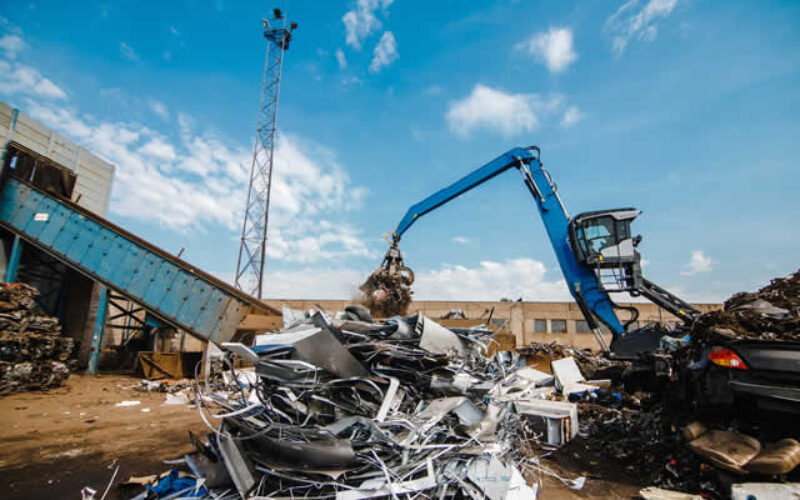
Image Credit: metal recycling by envato.com
end of post … please share it!
end of post idea for home improvement
view and analyze home improvement ideas at our LetsRenovate center
Helpful article? Leave us a quick comment below.
And please give this article a rating and/or share it within your social networks.