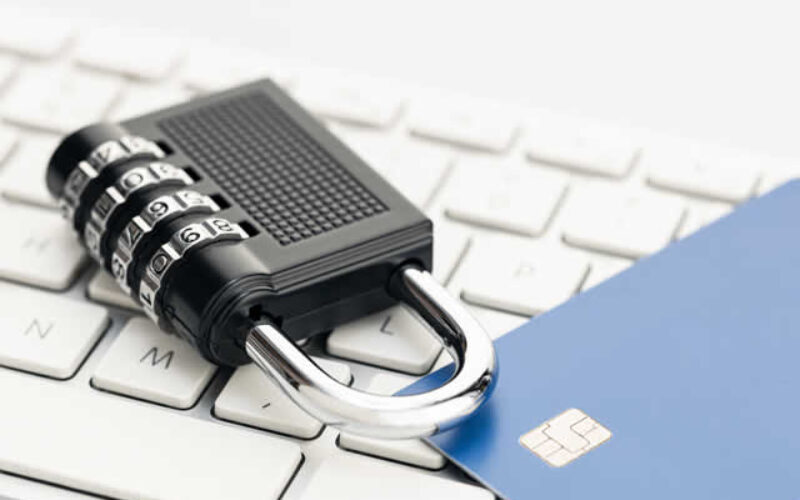

The information below aims to empower internet users, online shoppers, and digital privacy advocates with knowledge and strategies to protect their digital identity.
You’ll learn about the current landscape of data collection, risks associated with identity theft, and practical tips to fortify your online privacy.
- post content
- Why Your Online Identity Matters
- How Search Engines and Platforms Harvest Your Data
- The Risks of Online Identity Theft and Data Misuse
- Practical Tips to Safeguard Your Online Identity
- Tools and Technologies for Enhanced Digital Privacy
- The Evolving Legal Landscape for Online Privacy Rights
- Taking Control of Your Online Identity
- conclusion
- find: tech needs
Why Your Online Identity Matters
Your online identity is a reflection of your offline self, encapsulating your preferences, habits, and personal information. In an age where digital transactions and interactions are routine, understanding how your online identity is formed and used is crucial.
Search engines and online platforms constantly gather data to enhance user experience, but this also means your personal data is at risk of being exploited or mishandled.
For those who frequently shop online or engage heavily with digital platforms, the chances of their data being harvested increase exponentially. This makes it imperative to actively manage and protect your digital identity. By doing so, you take control of your personal data and reduce the potential for unauthorized use.

How Search Engines and Platforms Harvest Your Data
When you search, browse, or shop online, search engines and platforms collect an array of data points. This includes search history, location data, device information, and even your interaction patterns.
The purpose is often to tailor advertising, refine algorithms, and improve user interfaces. However, this data can also be sold to third parties or used in ways that infringe on your rights to privacy.
The algorithms driving these platforms are designed to learn from your behavior, tailoring experiences that feel personalized.
This can lead to an echo chamber effect, where you’re shown content similar to your past interactions, limiting exposure to diverse viewpoints. Awareness of these practices is the first step in counteracting them.
The Risks of Online Identity Theft and Data Misuse
Online identity theft is a growing concern, as cybercriminals continuously develop new tactics to exploit personal information.
Once your data falls into the wrong hands, it can lead to unauthorized transactions, account takeovers, and even complete identity theft. This not only affects your financial standing but can also have long-term impacts on your digital reputation.
Aside from direct financial losses, data misuse can result in privacy breaches that expose sensitive information to the public. This risk is heightened by how easily data can be copied and distributed without your consent.
Protecting your online identity is not just about preventing immediate harm, but also about safeguarding your future digital interactions.
Practical Tips to Safeguard Your Online Identity
One of the simplest yet most effective ways to protect your online identity is by using strong, unique passwords. Avoid reusing passwords across different sites, and consider using a password manager to keep track of them securely.
Enabling two-factor authentication adds an extra layer of security, requiring a secondary verification step when accessing your accounts.
Be mindful of the information you share online. Limit personal details in public profiles and be cautious with what you disclose in forums or social media.
Regularly review privacy settings on all accounts to ensure they align with your comfort level. Staying informed about potential vulnerabilities can drastically reduce the risk of data breaches.
Tools and Technologies for Enhanced Digital Privacy
For those serious about digital privacy, tools like VPNs (Virtual Private Networks) and secure browsers offer additional protection.
VPNs encrypt your internet connection, masking your IP address and making it difficult for third parties to track your online activities. Secure browsers focus on minimizing data collection by blocking trackers and advertisements.
Other technologies, such as encrypted messaging apps and privacy-focused search engines, further enhance your security. These tools are indispensable for maintaining anonymity online and preventing unsolicited data collection.
Staying updated with the latest privacy tools ensures you have the best defenses against evolving threats.
The Evolving Legal Landscape for Online Privacy Rights
Legislation around online privacy is continuously evolving to address emerging challenges and threats. Governments worldwide are implementing data protection laws, such as the GDPR in Europe, which grants individuals greater control over their personal data. These laws aim to hold companies accountable for how they manage and protect user data.
Understanding your rights is crucial in navigating this legal landscape. Being informed empowers you to demand transparency from service providers and make informed decisions about where and how you share your personal information. Advocacy and awareness are key components in shaping future privacy regulations.
Taking Control of Your Online Identity
Empowering yourself with knowledge and tools is essential in taking control of your online identity. Regularly audit your digital presence and make adjustments as necessary.
Consider the types of services and platforms you engage with and prioritize those that value user privacy. By being proactive, you’re not only protecting yourself but also contributing to a broader culture of digital responsibility.
Engage with communities and forums dedicated to digital privacy to stay informed about the latest threats and protective measures. Sharing your experiences and learning from others can reinforce your strategies and broaden your understanding of the digital landscape.
other related articles of interest:
Conclusion The Ongoing Journey to Safeguard Your Digital Presence
In conclusion, protecting your online identity is a continuous process that requires vigilance, education, and proactive measures. In a world where data is a valuable commodity, taking steps to secure your digital identity is both a personal and collective responsibility.
Remember that the tools and knowledge available today are your best allies in navigating the complexities of online privacy.
Explore further resources and stay updated on evolving privacy practices and technologies. By investing in your digital security, you’re investing in a safer, more private online experience for yourself and future generations.