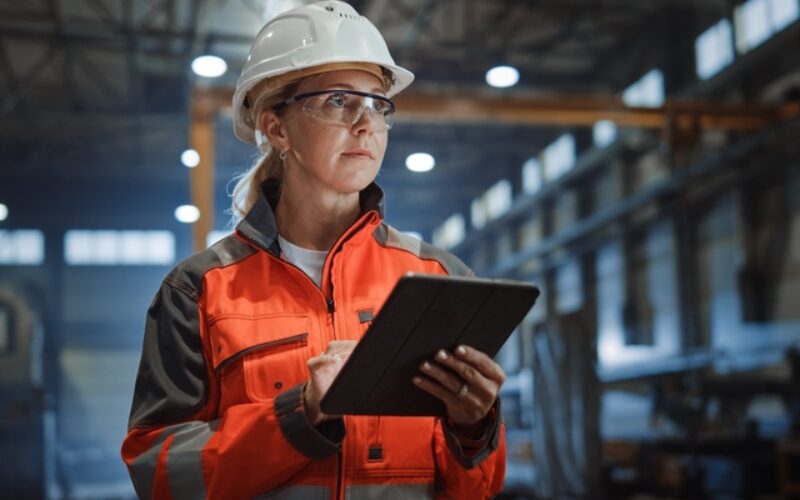

Industrial facilities power essential industries, but they also expose workers and operations to serious hazards. Understanding the top health and safety risks in industrial facilities allows leaders to protect employees, reduce downtime, and maintain compliance. From air contamination to equipment-related injuries, these risks affect worker well-being, productivity, and profitability. By identifying common threats and addressing them with proactive strategies, facility managers can create safer environments that support long-term operational success.
Poor Indoor Air Quality
Industrial processes often release dust, fumes, vapors, and chemical particles into the air. Without proper ventilation and filtration, these contaminants accumulate quickly and put employees at risk of respiratory issues, headaches, fatigue, and long-term health complications. Workers exposed to airborne hazards may experience reduced concentration and productivity, increasing the likelihood of mistakes or accidents.
The hidden costs of poor air quality in industrial facilities extend beyond health concerns. Absenteeism rises, morale declines, and equipment performance can suffer due to buildup and corrosion. Investing in proper ventilation systems, air monitoring, and routine maintenance significantly reduces these risks while improving overall efficiency.
Slip, Trip, and Fall Hazards
Wet floors, uneven surfaces, loose cables, and cluttered walkways create constant risks in industrial environments. When facility managers fail to clearly maintain pathways, employees who move quickly between workstations or operate heavy equipment face even greater danger.
Facility managers can reduce these incidents by enforcing housekeeping standards, installing slip-resistant flooring, and clearly marking walkways. Regular inspections help identify potential hazards before they cause injuries. When leadership prioritizes cleanliness and organization, they create a culture that values safety at every level.
Equipment-Related Injuries
Heavy machinery, forklifts, conveyors, and automated systems drive productivity, but they also present serious injury risks. Workers can suffer crushed limbs, lacerations, or severe trauma if equipment lacks proper guards or if employees bypass safety procedures.
Clear operating protocols, regular maintenance, and consistent training reduce mechanical failures and human error. Supervisors must reinforce lockout and shutdown procedures and ensure employees understand the risks associated with each machine. When teams respect equipment safety standards, they minimize preventable injuries and costly downtime.
Chemical Exposure
Many industrial facilities store and use chemicals for cleaning, manufacturing, or processing. Improper labeling, storage, or handling increases the risk of burns, inhalation hazards, and environmental contamination.
Leaders can mitigate these dangers by maintaining updated safety data documentation, training staff on proper handling procedures, and ensuring spill containment systems remain accessible. Personal protective equipment must remain readily available and appropriate for each task. A proactive chemical safety program protects workers and strengthens regulatory compliance.
Fire and Explosion Risks
Flammable materials, electrical systems, and high-heat processes create conditions where fires or explosions can occur quickly. Poor maintenance, overloaded circuits, and inadequate storage procedures amplify these threats.
Routine inspections of electrical systems, clear emergency evacuation plans, and properly maintained fire suppression systems dramatically reduce potential damage. When facilities conduct regular drills and maintain open communication about emergency protocols, employees respond more effectively under pressure.
Industrial facilities operate in complex, high-risk environments. By addressing the top health and safety risks in industrial facilities through training, maintenance, and proactive planning, organizations protect their workforce and safeguard operational continuity. A strong safety culture prevents injuries and supports long-term productivity and sustainable growth.
Image Credentials: By Gorodenkoff, 398219280
end of post idea for home improvement
view and analyze home improvement ideas at our LetsRenovate center
Helpful article? Leave us a quick comment below.
And please give this article a rating and/or share it within your social networks.