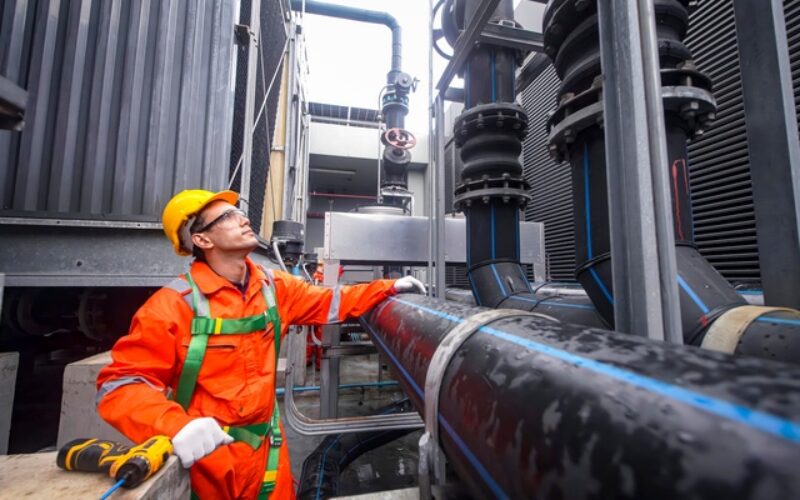
A systematic review of critical components helps identify hazards before resuming activities. This process safeguards personnel, protects assets, and secures the integrity of your entire facility.
Structural Integrity
Start by carefully assessing the structural stability of all buildings, major equipment, and load-bearing elements. Look for any visible signs of damage, such as cracks in foundations, tilted or buckled walls, loose roof panels, or compromised support beams. Even seemingly minor damages, like hairline cracks, could indicate deeper structural issues that require closer inspection.
Avoid entering any structure that appears unstable, leaning, or otherwise unsafe until a qualified structural engineer performs a comprehensive evaluation and declared it secure. Safety should always remain the top priority when dealing with structural damages.
Electrical Systems
Follow up by inspecting all electrical systems for potential damage, particularly if dealing with flooding, high winds, or power surges. Examine control panels, wiring conduits, and machinery for signs of water exposure, corrosion, or physical damage such as frayed or melted connections. These issues pose significant risks of fire, short circuits, or electrocution.
For example, waterlogged circuits may appear intact but could malfunction when re-energized. It is crucial to keep the power turned off until a licensed electrician has completed a full inspection and verified the system is safe and operational. This precaution protects equipment and ensures the safety of personnel working in or near these systems.
Containment Systems
Take the time to evaluate all containment systems with a focus on tanks, pipelines, and secondary containment berms. Inspect tank liners thoroughly for any signs of wear or damage, such as tears, punctures, or detachment from the tank walls, which could compromise their ability to hold materials securely. Similarly, check pipeline for cracks, leaks, or misalignments that could disrupt operations or contaminate the environment. Breaches in containment systems after a natural disaster require immediate maintenance to prevent hazardous material spills or environmental damage, which could have long-term consequences for both the facility and the surrounding community.
Safety Equipment
Finally, ensure that all safety equipment is in good condition and fully operational. This includes fire suppression systems, emergency showers, eyewash stations, and personal protective equipment (PPE). Verify that fire extinguishers are properly charged and accessible and that emergency stations are free of obstructions and ready for use.
Damaged or missing safety gear increases the risk to individual team members and hampers your team’s ability to respond effectively to post-disaster emergencies. For example, a malfunctioning eyewash station could delay critical first aid for someone exposed to hazardous materials, compounding an already dangerous situation.
Taking the time to conduct a comprehensive inspection after a natural disaster is a key step toward ensuring a safe and successful facility recovery. By methodically checking structural elements, electrical systems, containment units, and safety equipment, you can identify and address risks before they escalate into larger problems. This diligent process secures a safe environment for your team and helps lay the foundation for a smooth, efficient, and responsible return to full operations.
Image Credentials: By FotoArtist, 1630603871
end of post … please share it!
end of post idea for home improvement
view and analyze home improvement ideas at our LetsRenovate center
Helpful article? Leave us a quick comment below.
And please give this article a rating and/or share it within your social networks.