From the high seas to outer space, managing sewage presents a unique set of challenges that require innovative and highly specialized solutions. These systems must be compact, efficient, and environmentally sound, operating under conditions far removed from our everyday experience.
This guide explores the fascinating engineering behind how human sewage is handled in some of the most unique settings.
We will look at the advanced systems on cruise ships, the vacuum technology in airplanes, the large-scale operations on naval carriers, the closed-loop systems in submarines, and the resource-recycling methods used in space travel.
Understanding these processes reveals incredible feats of engineering and highlights a commitment to sustainability in even the most demanding environments.
On the High Seas: Sewage Management on Cruise Ships
A modern cruise ship is a floating city, home to thousands of passengers and crew members. Managing the waste generated by this population is a significant logistical and environmental challenge.
To protect marine ecosystems, cruise lines are subject to strict international and national regulations governing the treatment and disposal of sewage. Central to their operations are sophisticated systems designed to process waste safely and efficiently.
-
Advanced Wastewater Treatment Systems (AWTS)
Most modern cruise ships are equipped with Advanced Wastewater Treatment Systems (AWTS). These systems treat sewage to a standard that is often cleaner than the municipal wastewater discharged by many coastal cities.
An AWTS typically involves a multi-stage process that includes biological treatment, where microorganisms break down organic matter, followed by filtration and disinfection using methods like UV radiation.
The result is a high-quality effluent that can be safely discharged into the ocean in compliance with regulations.
The remaining solid sludge is incinerated or offloaded at port for proper disposal on land.
-
Regulations and Environmental Concerns
The disposal of treated sewage from cruise ships is governed by the International Maritime Organization (IMO) through the MARPOL convention. Regulations specify how far from shore and in what manner treated and untreated sewage can be discharged.
Despite these regulations, concerns remain about the cumulative environmental impact of cruise ship waste on sensitive marine areas.
In response, many cruise lines have adopted voluntary policies that exceed legal requirements, such as treating all wastewater before discharge, regardless of location, and investing in newer, more effective treatment technologies.


In the Skies: Waste Systems on Airplanes
Airplane lavatories are a marvel of compact and efficient engineering. Unlike toilets on the ground, which rely on water and gravity, airplane systems must function reliably at high altitudes and with minimal weight.
The solution lies in a clever system that uses a vacuum and a small amount of disinfecting fluid to manage waste.
-
Vacuum Flush and Holding Tanks
When the flush button is pressed on an airplane toilet, a powerful vacuum valve opens, sucking the contents of the bowl into a sealed holding tank. This process uses very little water—just a small amount of a blue disinfectant liquid called Skykem to clean the bowl and reduce odors.
The waste is stored in this tank for the duration of the flight. The size of the holding tank varies depending on the aircraft, but it is designed to accommodate the needs of all passengers and crew until the plane lands.
-
Disposal at the Airport
Upon arrival at the airport, the ground crew services the aircraft, which includes emptying the waste holding tank. A specialized vehicle, often called a "lavatory truck" or "honey truck," connects a hose to the plane’s waste outlet and suctions the contents into its own tank.
This waste is then transported to the airport’s dedicated sanitation facility, where it is disposed of into the local municipal sewer system for treatment.

Tracing the Journey of Water: From Its Source, Through the Home Plumbing System, to Its Final Destination
Water embarks on an incredible journey before it reaches our homes for daily use. Starting from natural sources like rivers, lakes, or underground aquifers, it undergoes extensive treatment processes to ensure it is clean and safe for consumption.
Naval Power: Waste on Battle Carrier Groups
A naval battle carrier group is a formidable force, comprising an aircraft carrier and its escort ships. Supporting thousands of personnel for extended periods at sea requires a robust and large-scale approach to waste management, similar to a small city but with the added complexities of military operations and strict environmental protocols.
Onboard these massive vessels, sewage is managed through Collection, Holding, and Transfer (CHT) systems. These systems collect wastewater from all parts of the ship and move it to treatment plants. The treatment process often involves marine sanitation devices (MSDs) that macerate and disinfect the waste before it is discharged.
Given the large volume of waste, these systems are built for high capacity and reliability, ensuring the health and hygiene of the crew while minimizing the environmental footprint of the fleet.
Regulations set by the U.S. Navy and international law dictate that treated sewage can only be discharged in designated areas far from land.
Beneath the Waves: Submarine Sanitation Systems
Life aboard a submarine presents the ultimate challenge in closed-environment living. With crews submerged for months at a time, every resource—including waste—must be carefully managed.
Submarine sanitation systems are designed to be compact, silent, and completely self-contained to avoid detection and maintain a habitable environment.
Waste is treated in a small onboard sanitary tank. In some systems, the waste is compressed into weighted slugs that can be ejected from the submarine and sink to the ocean floor. More advanced systems use chemical treatments and incinerators to reduce waste volume.
These closed-loop systems are critical for long-duration missions, ensuring the health of the crew while maintaining the submarine’s stealth. The engineering must be flawless, as any failure could have immediate and severe consequences for the crew and the mission.
The Final Frontier: Waste Management in Space
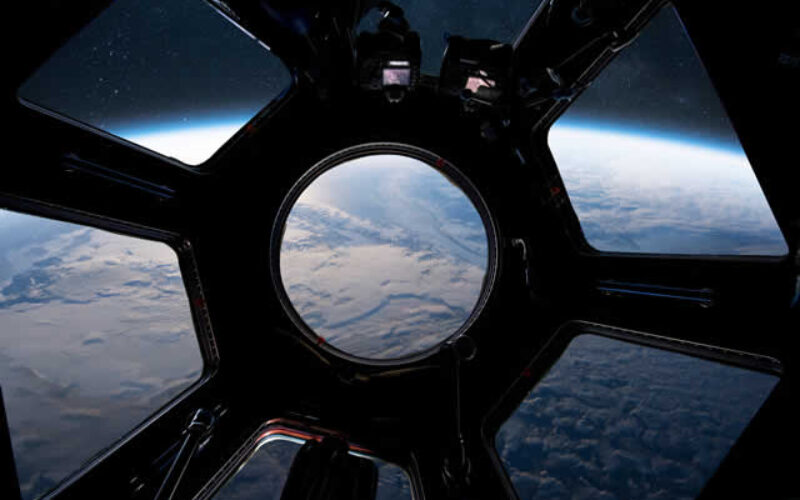
In space, nothing is wasted. The extreme environment of space travel, particularly on long-duration missions aboard the International Space Station (ISS), necessitates a closed-loop system where human waste is a valuable resource.


The primary goal is to recover as much water as possible, as launching water from Earth is incredibly expensive. The toilets on the ISS use a vacuum system similar to airplanes to collect solid and liquid waste separately.
The liquid waste, including urine, is sent to the Water Processor Assembly. This advanced system filters and purifies the urine, along with other wastewater like sweat and humidity condensate, turning it back into clean, drinkable water.
Solid waste is vacuum-sealed in bags and stored for disposal. On Earth-bound missions, these packages are loaded onto a cargo ship that burns up upon re-entry into the Earth’s atmosphere.
For future long-duration missions to Mars, NASA is developing technologies to process solid waste to extract additional water and even use it as a nutrient source for growing plants.
Engineering a Sustainable Future
The management of human sewage in these unique and demanding environments showcases remarkable ingenuity and a growing commitment to environmental sustainability. Whether on a cruise ship, an airplane, or a spacecraft, the core principles are the same: protect human health and minimize environmental impact.
These advanced systems, born from necessity, offer valuable lessons for waste management on a broader scale, pushing the boundaries of what is possible in creating a more sustainable world.
As technology continues to evolve, we can expect even more innovative solutions that turn waste into a resource, no matter where we are.
other related "intelligence" articles of interest:
Stories of the Divine A Journey into the Existence of God
Understanding Atoms: The Building Blocks of Everything Around Us
| Environment | Waste Management System | Key Features | Environmental Impact |
|---|---|---|---|
| On the High Seas (Cruise Ships) | Advanced Wastewater Treatment Systems (AWTS) | Multi-stage biological treatment, filtration, UV disinfection | High-quality effluent discharged; solid sludge incinerated or offloaded |
| In the Skies (Airplanes) | Vacuum Flush Systems | Compact design, minimal water usage, holding tanks for storage | Waste transported to and processed at local sanitation facilities |
| Naval Power (Battle Carrier Groups) | Collection, Holding, and Transfer (CHT) Systems | High-capacity systems with maceration and disinfection | Treated sewage discharged in designated areas; strict compliance with laws |
| Beneath the Waves (Submarines) | Closed-Loop Sanitation Systems | Compact design, waste treatment via chemical methods or incineration | Minimizes waste discharge, ensures crew health and stealth |
| The Final Frontier (Space) | Closed-Loop Waste Recovery Systems | Vacuum collection, water recovery from urine, solid waste storage | Recycling maximizes resources; waste used as water and potential plant nutrients |
Image Credit: sewage management by envato.com
end of post … please share it!
end of post idea for home improvement
view and analyze home improvement ideas at our LetsRenovate center
Helpful article? Leave us a quick comment below.
And please give this article a rating and/or share it within your social networks.