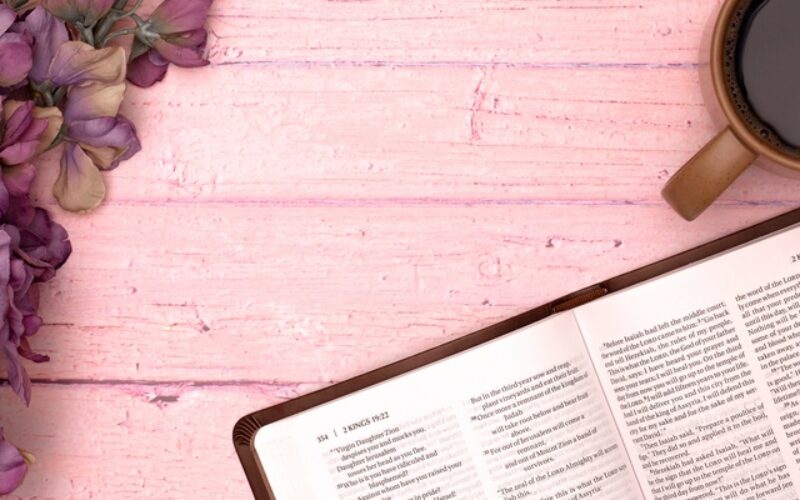
Choosing one can be a very personal decision, so it’s completely normal to feel a little uncertain about which suits you best. Take your time, and remember, the right choice is the one that feels right for you.
Here’s a quick guide to help you know what to look for when choosing a Bible. This way, you’re able to make the best decision.
Translation Matters
Translations play a key role in determining how accessible the Bible will be to your reading style. Choices range from more literal translations like the King James Version (KJV) and English Standard Version (ESV) to more modern, conversational options like the New Living Translation (NLT) or The Message.
Decide if you prefer a text closer to the original or simplified for easier understanding. Your comfort with the language affects how meaningful your Bible experience becomes.
Purpose and Intended Use
Ask yourself why you’re buying a Bible. If it’s for casual reading, a single-column format or a study Bible might be ideal. For deeper study, look for versions offering additional resources such as footnotes, concordances, and maps.
Journaling Bibles, on the other hand, give margins for taking notes, perfect for reflection. What sets the Bible’s use apart is understanding how it fits into your life, whether preparing for teaching or personal meditation.
Size and Portability
Are you planning to carry your Bible to study groups, church services, or while traveling? If so, weight and dimensions can make a huge difference. Compact or thin-line styles are easier to fit into bags, although their smaller print may be challenging to read.
For home study, larger editions with bold text and spacious layouts can offer a more comfortable experience. Knowing when and where you’ll use it determines whether bigger or portable designs are more convenient.
Importance of Paper Quality in Bible Printing
The quality of paper in a Bible affects its readability, durability, and longevity. Many Bibles use thin paper to keep them lightweight, but this choice can sometimes lead to issues like ink bleeding from one side of a page to the other. Choose editions with higher-quality paper to balance practicality and aesthetics, enhancing the reading experience and preserving the Bible over time.
Covers That Match Durability and Style
Bible covers come in a range of materials and styles. Hardback and synthetic covers provide affordability and durability, while leather covers add elegance and withstand years of use. If you’re purchasing a meaningful gift, leather-bound editions offer a more timeless aesthetic.
Some include decorative details or even allow for personalization, like embossing names. Whatever you choose, the cover should align with your needs and how often the Bible will be handled.
Layout and Font Size
The way the text is formatted significantly impacts readability. Consider whether you prefer single-column or double-column text layouts. Font size is equally crucial, as small print can strain the eyes during long reading sessions.
Many publishers offer large-print or even giant-print editions to make reading visually comfortable. Study editions also frequently highlight passages and provide helpful guides alongside the text, improving usability.
Selecting a Bible is about finding one that speaks to your heart while blending well with your lifestyle. When shopping, knowing what to look for when choosing a Bible involves considering its translation, intended purpose, portability, paper quality, cover material, and overall design. Each feature plays into the joy and meaning the Bible brings to your spiritual or educational path.
Image Credentials: Photographer: pamela_d_mcadams File #: 422651607
end of post … please share it!
end of post idea for home improvement
view and analyze home improvement ideas at our LetsRenovate center
Helpful article? Leave us a quick comment below.
And please give this article a rating and/or share it within your social networks.