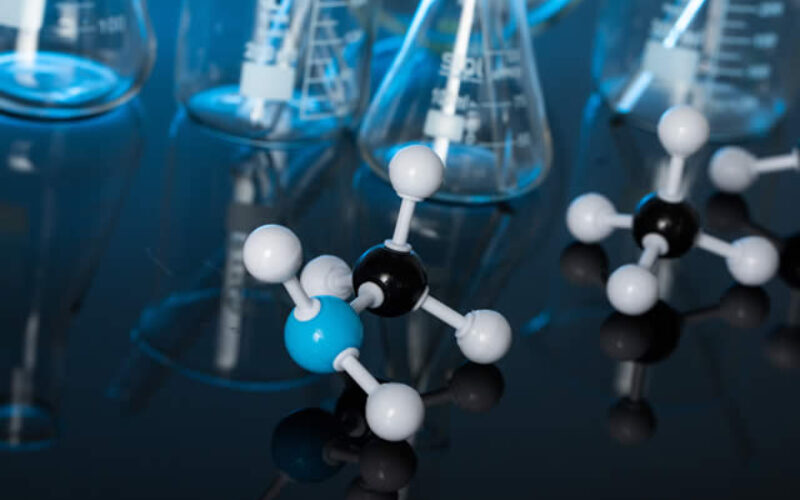
Chemistry is the fundamental science that studies matter and the changes it undergoes, and understanding its basic principles provides the ultimate key to making sense of the universe.
By grasping a few core concepts like elements, bonds, and reactions, you can unlock a deeper appreciation for the air we breathe, the food we cook, and the natural environment we cherish.
Chemistry often feels like a foreign language reserved for scientists in laboratories, but it is actually a beautiful, nurturing framework that explains our everyday existence. Everything around us is built from basic chemical principles.
This guide gently walks you through the foundational ideas of chemical science. We will explore how tiny particles connect to build the world, providing you with a clear, concise, and highly accessible overview.
By the time we finish, you will confidently navigate the basic concepts of chemistry and see your home, garden, and environment through a wonderfully informed lens.
Atoms And Elements
At the very heart of basic chemistry lies the atom, the fundamental building block of all matter. You can think of atoms as the incredibly tiny bricks that construct everything in our universe.
Each atom consists of a central nucleus containing protons and neutrons, surrounded by a delicate cloud of electrons. The specific number of protons inside an atom determines its identity, making it a unique element.
Elements are pure substances consisting entirely of one type of atom. Oxygen, carbon, and gold are all examples of elements that you likely encounter or hear about regularly.
When you hold a piece of pure silver or breathe in a lungful of oxygen, you are interacting directly with these elemental building blocks.
Understanding atoms and elements allows us to appreciate the incredible simplicity and order underlying the seemingly chaotic world around us [Brown et al., 2021].

The Periodic Table
To make sense of all the different elements, scientists rely on a beautifully organized chart known as the periodic table. This table arranges all known elements based on their atomic structure and chemical properties.
Reading the periodic table might seem daunting at first, but it is essentially a highly organized map that predicts how different elements will behave and interact with one another.
Each box on the table provides vital information about an element, including its symbol, atomic number, and atomic weight. Elements arranged in the same column often share similar traits, much like members of a family sharing characteristics.
This brilliant system of organization, standardized by the International Union of Pure and Applied Chemistry, allows students and experts alike to quickly understand the relationships between different materials [IUPAC].
Chemical Bonds
Atoms rarely like to be alone; they thrive on connection and interaction. Chemical bonds are the strong forces of attraction that hold atoms together to form molecules and compounds.
Atoms connect by either sharing their electrons or trading them completely, creating a stable, harmonious arrangement. This beautiful urge to connect is what creates the vast diversity of substances in our world.
There are two primary ways atoms form relationships. Covalent bonds occur when atoms generously share their electrons, creating a strong and stable molecule, much like the water we drink.
Ionic bonds happen when one atom gives an electron to another, creating an electrical attraction between the two. These bonds are the foundation of chemical reactions, determining how different materials structure themselves and behave in nature [Atkins & Jones, 2018].
Chemical Reactions
When chemical bonds are formed, broken, or rearranged, a chemical reaction takes place. You witness chemical reactions constantly in your daily life, from the rusting of a garden tool left in the rain to the baking of a beautifully risen loaf of bread.
During a reaction, the starting materials, known as reactants, transform into entirely new substances called products.
Understanding chemical reactions removes the mystery from many household occurrences. When you mix baking soda and vinegar to clean a stubborn sink drain, you are initiating a chemical reaction that creates lovely, fizzy carbon dioxide gas.
These transformations follow strict natural laws, meaning no matter is ever truly lost or destroyed, but simply reshaped into something new and useful.
Acids, Bases, And pH
If you have ever tasted the tartness of a lemon or felt the slippery texture of household soap, you have already experienced acids and bases. In basic chemistry, acids are substances that release hydrogen ions when dissolved in water, giving them a characteristic sour taste.
Bases, on the other hand, absorb these ions and often feel slippery to the touch, making them excellent cleaning agents for our homes.
We measure the strength of acids and bases using the pH scale, which gently guides us in understanding how these substances will behave. The scale ranges from zero to fourteen, with seven representing neutral water.
A harmonious garden relies heavily on understanding soil pH, as certain beloved plants thrive in slightly acidic soil while others prefer a more basic environment. Balancing pH is a nurturing act that keeps our bodies, pools, and gardens healthy.
Organic Chemistry
Organic chemistry is affectionately known as the chemistry of life. It is the branch of science dedicated to studying compounds that contain carbon.
Carbon is a remarkably versatile element, capable of forming long chains and complex rings that serve as the structural foundation for all living things. Every plant you grow, every pet you feed, and your very own body rely heavily on organic compounds.
From the proteins that build our muscles to the carbohydrates that give us energy, organic chemistry explains the biological processes that sustain life. It also covers the medicines we take to heal and the fuels we use to heat our homes.
Delving into organic chemistry helps us appreciate the intricate, miraculous design of the natural world and the delicate balance required to sustain it [Brown et al., 2021].
Inorganic Chemistry
While organic chemistry focuses on carbon, inorganic chemistry explores the rest of the magnificent periodic table. This branch covers everything from the metals used to build our homes to the minerals essential for a healthy diet.
Inorganic chemistry includes the study of salts, metals, and precious gemstones, providing the materials needed for modern technology and infrastructure.
Inorganic compounds play a vital role in keeping our world functioning beautifully. For example, the calcium in our bones, the iron in our blood, and the zinc in our garden fertilizers are all governed by the principles of inorganic chemistry.
Appreciating this branch of science allows us to care for our physical environment, ensuring we use Earth’s natural resources wisely and sustainably.
Everyday Applications
The true beauty of chemistry lies in its endless everyday applications. When you understand basic chemistry, you become empowered to make better, more informed choices for your home and family.
You understand why certain cleaning products should never be mixed, how to adjust your garden soil for the perfect tomato harvest, and why food browns beautifully when roasted in the oven.
Chemistry is not just a subject for textbooks; it is a practical tool for living a harmonious and healthy life. By embracing these simple scientific principles, you can approach everyday challenges with confidence and care.
Whether you are baking a cake, washing laundry, or tending to a beloved houseplant, you are practicing chemistry in its most nurturing and helpful form.
other related articles of interest:
The Secret Language of Trees: Unearthing the Wood Wide Web
Decoding the Skies: An Illustrative Guide to Understanding Weather Systems
Moving Forward With Confidence
Chemistry no longer needs to be a source of frustration or confusion. By gently breaking down the complexities of atoms, bonds, and reactions, you now have a solid foundation for understanding the physical world.
You are fully equipped to look at your daily routines through a new, scientific lens that highlights the deeply interconnected nature of our universe.
Take this knowledge into your home and garden, and allow it to guide your decisions. Observe the small chemical miracles happening around you every day, from boiling water to growing seedlings.
Embrace your newfound understanding, and continue to explore the wonderful, caring science of chemistry with curiosity and joy.
| Topic | Description | Examples/Applications |
|---|---|---|
| Atoms and Elements | The basic building blocks of matter, consisting of protons, neutrons, and electrons. Each unique element is defined by the number of protons in its atoms. | Oxygen, Carbon, Gold, Silver |
| The Periodic Table | An organized chart of elements based on atomic structure and properties, predicting behaviors and interactions. | Atomic number, weight, and grouped traits shared by elements in the same column. |
| Chemical Bonds | Connections between atoms through sharing or transferring electrons, forming molecules and compounds. | Covalent bonds (water), Ionic bonds (salt) |
| Chemical Reactions | Processes where atomic bonds are formed, broken, or rearranged, resulting in the transformation of reactants into new substances. | Rusting, Baking, Mixing baking soda with vinegar |
| Acids, Bases, and pH | Acids release hydrogen ions in water, while bases absorb them. The pH scale measures the strength of acids and bases, with 7 being neutral. | Lemon juice (acid), Soap (base), Soil pH for gardening |
| Organic Chemistry | The study of carbon-containing compounds vital for life, forming long chains or rings for biological processes. | Proteins, Carbohydrates, Medicines, Fuels |
| Inorganic Chemistry | Focuses on non-carbon elements, including salts, metals, and minerals that are crucial for technology and the environment. | Calcium in bones, Iron in blood, Zinc in fertilizers |
| Everyday Applications | Using chemical principles to enhance daily life and make informed decisions in cleaning, cooking, gardening, and more. | Mixing cleaning products, Adjusting soil pH, Roasting food |

Image Credit: about chemistry by envato.com
end of post … please share it!
end of post idea for home improvement
view and analyze home improvement ideas at our LetsRenovate center
Helpful article? Leave us a quick comment below.
And please give this article a rating and/or share it within your social networks.