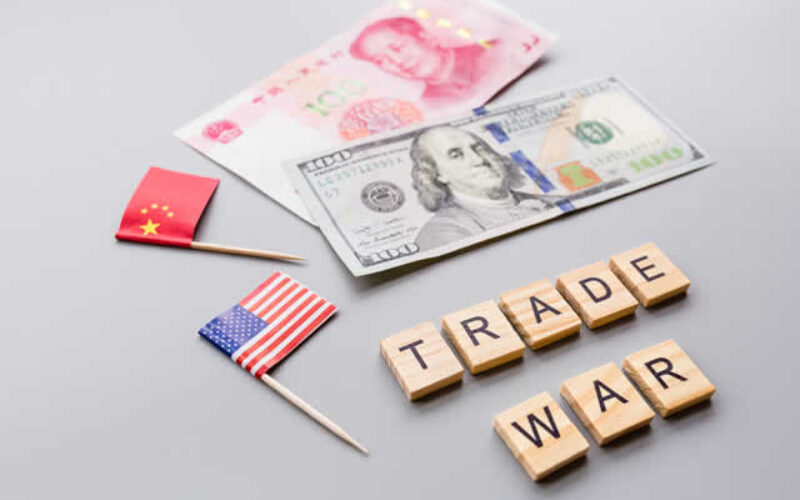
For families and budget-conscious individuals, understanding the ripple effects of these taxes is not just smart but essential.
This blog will explore the effects of tariffs on consumer prices while offering actionable ways to manage your household budget effectively. We’ll also provide insights from experts and practical examples so you can make informed financial decisions, even amid economic changes.
For families and budget-conscious individuals, understanding the ripple effects of these taxes is not just smart but essential.
This blog will explore the effects of tariffs on consumer prices while offering actionable ways to manage your household budget effectively. We’ll also provide insights from experts and practical examples so you can make informed financial decisions, even amid economic changes.

Understanding Tariffs
Tariffs are a critical component of international trade policies that directly influence the prices of goods and services. Essentially, a tariff is a tax imposed on imported or exported goods, often used by governments to protect domestic industries, promote local production, or generate revenue.
However, these taxes can have far-reaching consequences for businesses and consumers alike. To fully grasp the impact tariffs have on everyday life, it’s important to understand their purpose, how they work, and the broader economic implications they create.
Below, we’ll break down the concept of tariffs and uncover how they shape the markets we rely on.
-
What Are Tariffs?
Tariffs are taxes or duties imposed on imported goods. Often used as a tool for protecting domestic industries, tariffs make foreign products more expensive, encouraging consumers to buy locally made goods instead.
While this policy may help specific sectors and promote economic growth domestically, it often results in price hikes that trickle down to end consumers.
-
How Tariffs Work
Tariffs are levied as specific amounts or percentages of the value of imported goods. Once these tariffs are collected at the point of entry, the costs incurred are typically passed along the supply chain, ending with a price increase for consumers.
For example, if a tariff is imposed on imported steel, the producers of appliances reliant on steel will adjust prices accordingly to account for rising production costs.
-
Types of Tariffs
There are different types of tariffs that affect pricing differently:
- Ad Valorem Tariffs are based on a percentage of the product’s value.
- Specific Tariffs are a fixed amount imposed per unit of goods, such as $10 per ton of steel.
- Compound Tariffs combine both ad valorem and specific tariffs for a more complex cost structure.
Understanding these basics is critical for consumers to anticipate how tariffs might directly or indirectly affect the prices of their daily purchases.
Impact of Tariffs on Consumer Prices
Tariffs, or taxes on imported goods, significantly influence product costs in a global economy. Often used to protect domestic industries or raise government revenue, they can lead to higher prices for consumers.
Understanding how tariffs affect production costs, supply chains, and markets helps explain why some goods become more expensive and how this impacts purchasing power.
The next section explores how tariffs shape consumer prices and their broader economic effects.
-
Direct Price Increases
When governments impose tariffs on foreign goods, imported products automatically become more expensive. For instance, a $1,000 refrigerator imported from a country with a new 10% tariff will now cost $1,100. Such increases inevitably hit the pockets of consumers.
-
Indirect Price Increases
Tariffs also affect domestic pricing. Companies reliant on imported components to build products locally may face higher production costs, which they then pass along to consumers.
For example, textiles imported for local garment production may result in higher clothing costs in domestic markets.
-
Examples of Affected Goods
Some of the most commonly impacted categories of products include:
- Electronics:
Products like smartphones and laptops rely heavily on imported components. - Clothing:
Tariffs on textiles and apparel can make fashion items notably more expensive. - Food:
Imported food items, such as cheese or specialty grains, may also see an added cost.
-
The interplay of direct and indirect price increases underscores the broader effects tariffs have on household finances.
Managing Your Household Budget During Tariff Increases
When tariff increases raise the cost of everyday goods, managing your household budget becomes more important than ever. Higher prices on essentials can strain finances, so it’s vital to plan ahead, adjust spending, and explore cost-saving alternatives.
Below, we’ll share practical tips to help you navigate these changes and stay on budget.
-
Assessing Your Current Budget
The first step in adapting to tariff-related price increases is to review your current spending habits. Map out where your money is going and identify areas where adjustments might be necessary. Apps like Mint or YNAB (You Need A Budget) can be excellent tools for tracking your expenses.
-
Identifying Areas to Cut Back
Once you understand your spending, consider cutting back on discretionary expenses such as dining out or entertainment subscriptions. Additionally, look for opportunities to renegotiate existing bills, like phone or internet plans, to create more breathing room in your budget.
-
Prioritizing Needs vs. Wants
When prices rise, distinguishing between necessities and luxuries becomes crucial. Focus your spending on essential goods like groceries, utilities, and healthcare, while delaying purchases of non-essential items like a new TV or designer apparel.
-
Smart Shopping Strategies
Lessen the impact of higher prices by shopping smarter. Take advantage of discounts, use coupons, and shop in bulk for staple items. Comparing prices across stores and planning purchases around sales can also make a significant difference to your monthly expenses.
-
Considering Alternatives
Explore domestic products as a potential cost-saving measure. Many local goods are unaffected by import tariffs and may offer competitive quality at lower prices. Additionally, waiting for seasonal sales or promotions can help mitigate the effects of rising costs.
Expert Opinions and Economic Forecasts
Understanding the broader economic trends and expert analyses can provide valuable insights into current and future financial landscapes. By examining professional opinions and forecasts, individuals and businesses can better prepare for potential challenges and opportunities.
This section highlights key perspectives from economists and industry experts, shedding light on potential developments and strategies to adapt effectively.
-
Insights from Economists
Economists have identified tariffs as a double-edged sword. While they provide short-term relief for domestic industries, they can strain household budgets by driving up prices.
For example, a 2022 report from the Peterson Institute for International Economics highlights how increased tariffs on Chinese goods raised consumer costs by 0.2% on average in the United States.
-
Industry Analysis
Different industries are expected to respond to tariffs uniquely. For example, the electronics and automotive industries, which rely heavily on imported components, have been particularly affected. Conversely, some sectors, like agriculture, may benefit from tariffs due to increased domestic demand for local produce.
-
Future Outlook
The future of tariffs remains uncertain, as global trade policies are influenced by political and economic factors. However, experts predict that rising inflation combined with new tariff policies could continue to exert upward pressure on consumer prices, necessitating more proactive financial planning among households.
Government and Industry Responses
The challenges posed by rising costs and disrupted supply chains have prompted swift action from both governments and industries. Efforts have focused on mitigating the economic impact on consumers while ensuring businesses remain competitive and resilient in an increasingly volatile global market.
Below, we explore key measures and strategies implemented to address these issues.
-
Government Policies
Governments often introduce measures to mitigate the impact of tariffs, such as providing tax relief or subsidies to directly affected industries. For instance, tax credits or stimulus checks may offer short-term relief to consumers grappling with higher costs.
-
Industry Adjustments
Some businesses respond to tariffs by seeking alternative suppliers in countries subject to lower or no tariffs. Others may absorb part of the additional costs to remain competitive and retain customers. These strategies play a pivotal role in shaping the long-term effects of tariffs on consumer prices.
other related articles of interest:
How to Handle International Shipping Customs Clearance Processes
Preparing Financially for Changing Economic Landscapes
Tariffs have a profound influence on household economics, creating challenges and opportunities for consumers. By understanding how tariffs affect prices and implementing smart financial strategies, families can better manage these changes.
Proactively monitoring your spending, prioritizing essential goods, and adapting your purchasing habits can make a significant difference in maintaining financial stability. While tariffs may be beyond individual control, a well-prepared household budget is a step toward resilience in the face of economic uncertainty.
For families seeking to stay ahead of rising costs, taking time to plan, adapt, and educate themselves will pave the way for informed and secure financial decisions amid unpredictable economic changes.
Image Credit: how tariffs affect consumer prices by envato.com
end of post … please share it!
end of post idea for home improvement
view and analyze home improvement ideas at our LetsRenovate center
Helpful article? Leave us a quick comment below.
And please give this article a rating and/or share it within your social networks.