Care matters because silver reacts to air, moisture, skin oils, food, and poor storage. A few simple habits can protect both appearance and resale value without turning upkeep into a chore. If you’re trying to keep your antique silver in the best condition for value or sentimental reasons, here are some best practices to care for and store it.
Understand What Affects Value
Condition plays a major role in the price of antique silver. Dents, deep scratches, worn details, broken hinges, and heavy polishing can lower value fast.
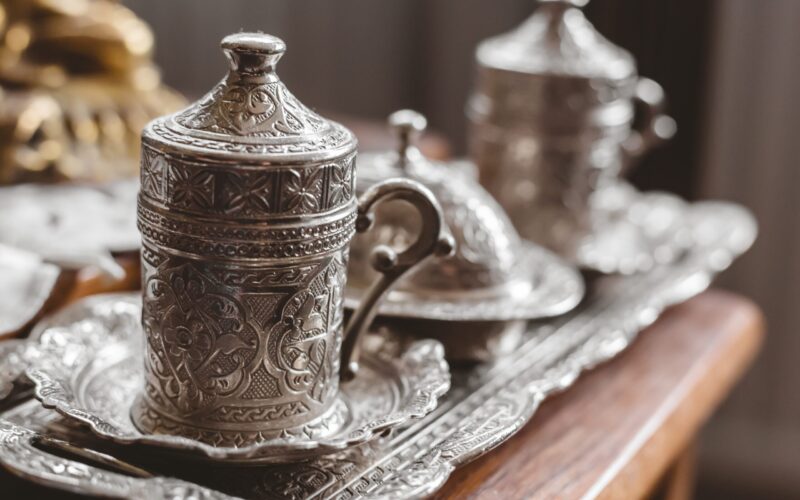
Before cleaning or storing a piece, identify its material and markings. Understanding the types of silver antiques can help owners understand whether a piece contains sterling, coin silver, silverplate, or another form of silver.
That distinction matters because each type needs slightly different care. Sterling and coin silver usually tolerate careful polishing, while silverplate can lose its thin silver layer after aggressive cleaning.
Clean Silver With Care
Silver tarnishes naturally, so tarnish alone does not signal neglect. The goal should involve gentle cleaning, not making every piece look brand new.
Use a soft cotton cloth or silver polishing cloth for light tarnish. For heavier tarnish, choose a non-abrasive silver polish and apply it with light pressure.
Avoid harsh scrubbing, steel wool, toothpaste, baking soda pastes, and rough sponges. These methods can scratch the surface and remove fine details that collectors value.
Good cleaning habits include:
- Washing handled pieces with mild soap and warm water
- Drying silver completely with a soft cloth
- Polishing only when tarnish affects appearance or use
- Testing polish on a small area first
- Keeping polish away from wood, ivory, bone, or porous accents
Silver flatware that touches food needs extra attention. Salt and more acidic foods can stain silver when left on the surface too long.
Store Silver the Right Way
Storage protects antique silver between uses. Moisture and sulfur speed up tarnish, so the storage spot matters as much as the container.
Keep silver in a dry area with stable temperatures. Avoid basements and other humid or fluctuating areas, such as kitchen cabinets near sinks or dishwashers.
Use anti-tarnish cloth bags, lined silver chests, or acid-free tissue. Never wrap silver in newspaper, plastic wrap, rubber bands, or ordinary cardboard because these materials can cause stains or trap moisture.
Finally, separate pieces so they do not rub together. Flatware sleeves or individual cloth wraps help prevent scratches.
Handle Silver Like An Asset
Antique silver deserves practical care and storage because it functions as both a household item and a collectible asset. Clean hands, careful lifting, and proper storage can protect value over many years.
Owners should also keep records, especially for higher-value pieces. Photos, receipts, appraisals, maker details, and family history can support insurance claims and future resale.
For valuable or fragile items, professional advice makes sense before major cleaning or repair. A specialist can help preserve original surfaces craftsmanship that influence market value.
Image Credentials: Graziano Vacca/Wirestock, 322274415
end of post … please share it!
end of post idea for home improvement
view and analyze home improvement ideas at our LetsRenovate center
Helpful article? Leave us a quick comment below.
And please give this article a rating and/or share it within your social networks.