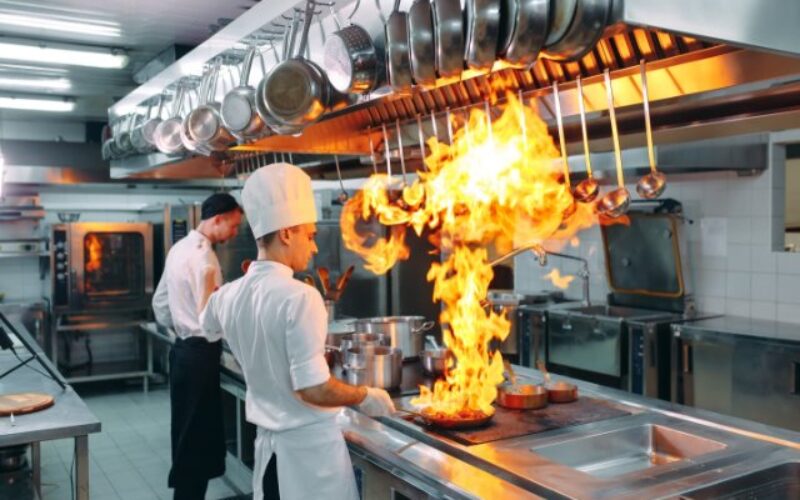

Commercial kitchens operate at a demanding pace, with open flames, hot cooking surfaces, electrical equipment, and combustible materials sharing limited space. That combination makes fire prevention a daily operational responsibility rather than a one-time safety task. Owners and managers need practical controls that address ignition sources while helping employees respond correctly when conditions become dangerous.
Understanding how to reduce fire risk in a commercial kitchen starts with maintaining equipment, controlling grease, training staff, and building reliable safety procedures into normal routines. A thoughtful prevention program can protect employees and guests while reducing property damage and costly business interruptions.
Keep Cooking Equipment Clean and Maintained
Cooking equipment needs consistent attention because heat, grease, and mechanical problems can create dangerous conditions. Establish cleaning schedules based on how heavily you use each appliance, then document completed work so managers can spot missed tasks. Remove grease from cooking surfaces, surrounding walls, and accessible equipment components before buildup becomes difficult to control.
Maintenance matters just as much as cleaning. Have qualified technicians inspect appliances according to manufacturer guidance and address unusual performance promptly. Burners that ignite poorly, frayed electrical connections, damaged controls, or equipment that overheats should not remain in service while employees wait for a convenient repair window. Taking malfunctioning equipment out of operation can prevent a small defect from becoming an ignition source.
Control Grease Around Hoods and Ductwork
Grease can travel beyond the visible cooking area as vapor moves through ventilation equipment. Over time, residue may collect inside filters, hoods, and ductwork, creating fuel for a fire that can spread beyond the appliance where it started. Routine surface cleaning alone does not address deposits hidden within the exhaust path.
Set inspection and professional cleaning intervals that reflect cooking volume and cooking methods. Employees should also watch for signs that ventilation performance has changed, including persistent smoke or heavier residue near the hood. Clean filters as required and replace damaged components instead of allowing airflow problems to continue. Good ventilation maintenance supports safer cooking conditions and helps keep combustible grease from accumulating unnoticed.
Use Fire Suppression Equipment Correctly
A commercial cooking operation needs fire protection designed for the hazards created by its appliances. A properly maintained kitchen fire suppression system can help control a cooking fire quickly, but managers should not assume installation alone provides lasting protection. Arrange required inspections, keep nozzles unobstructed, and make sure equipment changes do not interfere with the protected cooking area.
Employees also need to understand what suppression equipment does and what they should do when it activates. Training should explain shutdown procedures and evacuation expectations without encouraging workers to fight a fire that has already become unsafe. Portable extinguishers must remain accessible, clearly identified, and appropriate for the hazards in the kitchen. Staff should know when extinguisher use is reasonable and when immediate evacuation is the safer response.
Manage Flammable and Combustible Materials
Storage choices can increase fire risk even when cooking equipment works properly. Keep paper products, packaging, towels, and other combustible items away from hot surfaces or open flames. Do not use areas beside cooking appliances as temporary storage simply because they are convenient during a busy shift.
Cooking oils require careful handling as well. Store bulk supplies in suitable locations away from ignition sources and clean spills promptly. Empty waste containers that collect greasy materials regularly so residue does not accumulate near heat-producing equipment. Managers should include storage areas in routine safety checks because clutter can develop gradually and become accepted as normal unless someone actively corrects it.
Inspect Electrical and Gas Systems
Electrical faults can create heat or sparks in places employees may not immediately notice. Workers should report damaged cords, loose outlets, repeated breaker trips, or equipment that produces unusual odors. Avoid improvised extension-cord arrangements and do not overload circuits to accommodate additional appliances. Qualified professionals should evaluate recurring electrical problems rather than relying on temporary fixes.
Gas-fired equipment also deserves close attention. Employees should know how to recognize a possible leak and follow the facility’s emergency procedure if they smell gas or notice abnormal burner behavior. Shutoff controls must remain accessible rather than hidden behind stored supplies. Qualified personnel should handle any repair involving gas lines or appliance connections.
Train Employees for Fire Prevention
Policies only work when employees understand how their actions affect risk. Include fire prevention in onboarding and reinforce expectations through recurring training. Staff should learn safe appliance operation, proper cleaning practices, and the location of emergency controls. Supervisors can strengthen those habits by correcting unsafe behavior immediately instead of waiting for a formal review.
Training should also cover what happens during an emergency. Employees need clear instructions for reporting a fire, shutting down equipment when it is safe to do so, and leaving the building. Assign responsibilities carefully so workers do not waste time deciding who should act. Practice evacuation procedures often enough that employees can move efficiently without depending on memory from a training session held long ago.
Build Safety Into Daily Operations
Fire prevention becomes more reliable when managers connect it to opening, shift-change, and closing routines. A brief inspection can identify blocked exits, combustible materials near heat, or equipment left in an unsafe condition. These inspections should prioritize issues staff can immediately address.
Managers should create a simple process for reporting hazards and tracking repairs. Employees are more likely to speak up when they know concerns will receive timely attention. Review recurring issues to determine whether staffing practices, equipment placement, or cleaning schedules need adjustment. When operational changes introduce new appliances or alter the cooking line, reassess fire protection needs before the new setup becomes routine.
Keep Exits and Emergency Access Clear
A fire can become more dangerous when employees cannot leave quickly or responders cannot reach critical areas. Keep exit routes free from carts, boxes, and stored equipment throughout every shift. Make sure doors function and emergency signs remain visible. Do not allow deliveries or temporary staging areas to block access to shutoff controls. Supervisors should check these paths during walkthroughs and correct obstructions immediately during busy periods when storage space becomes limited.
Make Fire Prevention an Ongoing Priority
Knowing how to reduce fire risk in a commercial kitchen means treating prevention as part of everyday management. Clean equipment, dependable maintenance, effective training, and clear emergency procedures work best when leaders consistently reinforce them. Review your kitchen’s practices as equipment changes and operating demands evolve, then correct hazards before they become emergencies. A proactive approach helps create a safer workplace while protecting the facility and supporting dependable business operations.
Image Credentials: By davit85, 258343499
end of post idea for home improvement
view and analyze home improvement ideas at our LetsRenovate center
Helpful article? Leave us a quick comment below.
And please give this article a rating and/or share it within your social networks.