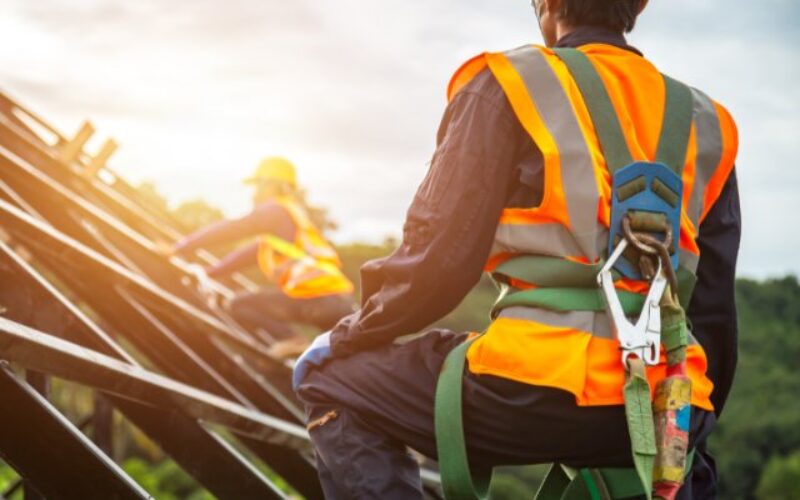
While the industry offers valuable career opportunities, it also presents unique workplace hazards.
Among the most significant risks is working at elevated heights, making fall protection in construction a critical component of jobsite safety. Effective fall prevention measures protect workers from serious injuries while supporting project efficiency and business continuity.
Why Falls Continue To Be a Serious Concern
Falls remain one of the leading causes of injuries in the construction industry. Workers routinely perform tasks on ladders, scaffolding, rooftops, and elevated work platforms, often in changing environments where hazards can emerge quickly. A single misstep, unstable surface, or equipment failure can result in severe consequences.
The impact of a fall extends beyond the injured worker. Construction accidents can lead to project delays, increased insurance premiums, regulatory penalties, and lost productivity. For employers, preventing falls is both a safety obligation and a practical investment in the success of a project.
The Role of Protective Equipment
Personal protective equipment (PPE) plays an important role in reducing risks when employees are required to work at height. Safety harnesses, lanyards, lifelines, helmets, and slip-resistant footwear are commonly used to minimize the likelihood and severity of injuries. However, simply providing equipment is not enough; workers must understand how to properly select, inspect, and use the gear designed for their specific tasks.
Employers can improve workplace safety by ensuring teams have access to reliable information about protective equipment requirements and best practices for working at height. Providing resources on PPE considerations for elevated work environments can reinforce training efforts and support safer decision-making on the jobsite.
Why Training Matters
Even the most advanced safety equipment cannot eliminate risk without proper user training. Workers need to understand how to recognize fall hazards, use protective systems correctly, and respond effectively during emergencies. Regular training sessions help employees stay aware of changing jobsite conditions and reinforce safe work habits.
Training should cover topics like harness fitting, anchor point selection, ladder safety, scaffold use, equipment inspections, and emergency rescue procedures. Ongoing education makes sure that safety remains a priority throughout every phase of a project.
The Business Benefits of Fall Prevention
Investing in fall protection provides benefits that extend beyond regulatory compliance. Companies that prioritize workplace safety often experience fewer disruptions, lower workers’ compensation costs, and improved operational efficiency. A strong safety record can also enhance a company’s reputation among clients, contractors, and prospective employees.
As competition for skilled labor continues across many regions, organizations that demonstrate a commitment to worker well-being may find it easier to attract and retain experienced professionals. Safety programs contribute to a positive workplace culture while helping businesses avoid costly incidents.
Creating Safer Jobsites
Construction work will always involve some degree of risk, but many fall-related accidents are preventable. Through proper planning, ongoing training, and the consistent use of appropriate protective equipment, employers can significantly reduce hazards and create safer environments for their teams. When construction companies recognize the importance of fall protection, they can invest in their workforce, their projects, and their long-term success.
Image Credentials: By tong2530, 286309897
end of post … please share it!
end of post idea for home improvement
view and analyze home improvement ideas at our LetsRenovate center
Helpful article? Leave us a quick comment below.
And please give this article a rating and/or share it within your social networks.