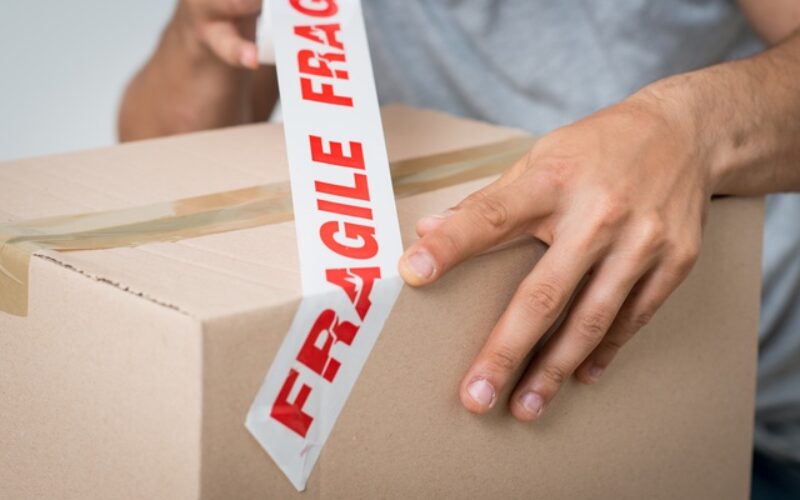
Implementing solid strategies is essential to ensure your goods arrive in the same pristine condition in which they left. Here are the top best practices for protecting products during transit to keep your shipments safe and your customers happy.
Use Appropriate Packaging
The foundation of safe shipping starts with the outer container. Using a box that is too large allows items to shift dangerously, while a box that is too small can burst under pressure or impact. Select corrugated cardboard boxes that are sturdy enough to support the weight of the contents without bowing. It is also advisable to use new boxes rather than reused ones, as cardboard loses its structural integrity and cushioning ability after the first use.
Cushion Products Adequately
Internal movement is a primary cause of damage. You must fill any void spaces within the box to prevent items from colliding with each other or the box walls. Utilize materials like bubble wrap, foam inserts, or biodegradable packing peanuts to immobilize the product. For particularly fragile items, placing a boxed item inside a slightly larger box with cushioning in between provides an extra layer of shock absorption that can make all the difference.
Seal Packages Securely
A weak seal can lead to a box opening mid-journey, exposing your product to theft or elements. Use high-quality, pressure-sensitive packing tape that is at least two inches wide. Apply the H-taping method to seal the center and edge seams for maximum security. While manual taping works for small volumes, many industries benefit from carton sealers to ensure a consistent, tamper-evident seal on every single package.
Label Packages Clearly
Clear communication with carriers is vital for safe delivery. Place shipping labels on the largest flat surface of the box. Do not let tape or seams obscure the labels, as this can interfere with scanning. If the contents are fragile or require a specific orientation, use bold “Fragile” or “This Side Up” stickers. This visual guidance helps carriers handle your goods with the necessary care and attention.
Insure Valuable Shipments
Despite your best efforts in packaging, accidents can still happen. For high-value items, purchasing shipping insurance provides a necessary safety net. This insurance financially protects you against loss, theft, or damage that occurs once the package leaves your hands. This step gives you peace of mind and protects your bottom line if the unforeseen occurs during the shipping process.
Delivering a damaged product is a sure way to lose a customer for good. By following these best practices for protecting products during transit, you can minimize returns and build a reputation for reliability. Investing in high-quality materials and thoughtful preparation now saves time and money in the long run. Start reviewing your packaging process today to ensure every shipment arrives safely.
Image Credentials: By Rido, 68944052
end of post … please share it!
end of post idea for home improvement
view and analyze home improvement ideas at our LetsRenovate center
Helpful article? Leave us a quick comment below.
And please give this article a rating and/or share it within your social networks.