Quick Answer:
The ketogenic diet works by cutting carbohydrates to roughly 20–50 grams a day so the body burns fat for fuel instead of glucose. Eat fatty fish, high-fat dairy, avocados, nuts, meat, low-carb vegetables, and eggs. Avoid grains, sugar, most fruit, processed foods, legumes, and “diet” products marketed as low-fat.
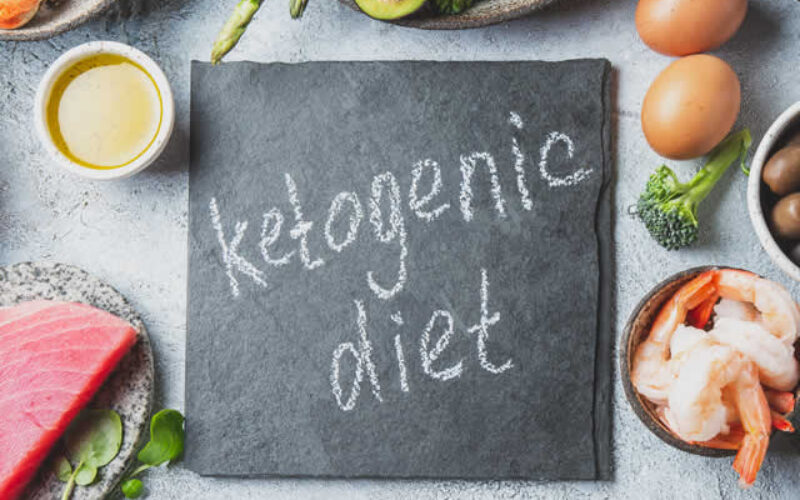
The ketogenic diet, or keto, asks the body to run on fat instead of carbohydrates, and getting there depends almost entirely on choosing the right foods.
The appeal is easy to understand. Many people turn to keto hoping for weight loss, steadier energy, or fewer sugar cravings.
A 2026 systematic review and meta-analysis published in Nutrients found that ketogenic diets produced about 1.49 kg greater weight loss than higher-carbohydrate diets under similar calorie conditions, though the researchers rated the certainty of this evidence as low and noted the effect size remains uncertain (Nutrients, 2026).
That nuance matters. Keto can help, but it isn’t a guaranteed shortcut, and the foods you choose determine whether the diet supports your health or works against it.
Knowing which foods belong on your plate, and which ones to leave behind, is the foundation of doing keto well.
This guide breaks down the science behind ketosis, the essential foods to stock in your kitchen, the ingredients worth skipping, and practical strategies for making the diet sustainable.
What Is The Ketogenic Diet
The ketogenic diet is a nutrition model in which fat becomes the dominant energy source while carbohydrate intake is drastically limited (Frontiers in Nutrition, 2026). Most people following keto aim for roughly 20 to 50 grams of net carbohydrates a day, replacing that lost energy with fat and a moderate amount of protein. This shift forces the body to change how it fuels itself at a cellular level.
When carbohydrate intake drops low enough, the liver begins converting fat into molecules called ketones, which the body and brain can use for energy instead of glucose. This metabolic state is known as ketosis. Reaching it typically takes a few days of strict carb restriction, and staying in it depends on keeping carbohydrate intake consistently low.
Keto differs from a general low-carb diet in one key way: macronutrient ratios. A typical low-carb diet simply reduces carbohydrates while leaving protein and fat flexible.
The ketogenic diet is more precise, usually targeting around 70 to 75 percent of calories from fat, 20 percent from protein, and only 5 to 10 percent from carbohydrates. This precision is what pushes the body into ketosis rather than just reducing carb intake modestly.

Essential Ketogenic Foods To Eat
Building a keto plate starts with understanding which whole foods naturally fit the diet’s fat-forward, low-carb structure. The following categories form the backbone of most successful ketogenic meal plans.
-
Fatty Fish And Seafood
Salmon, mackerel, sardines, and tuna deliver high-quality protein along with omega-3 fatty acids, making them a natural fit for keto. These fish contain virtually no carbohydrates and support both the fat requirements of the diet and broader heart and brain health.
-
High-Fat Dairy And Cheese
Full-fat cheese, butter, cream, and Greek yogurt provide concentrated fat with minimal carbohydrates. Hard cheeses like cheddar and parmesan are especially keto-friendly, while flavored or low-fat dairy products often hide added sugar that can quietly derail ketosis.
-
Healthy Fats: Avocados, Nuts, And Seeds
Avocados are a keto staple thanks to their creamy texture and healthy monounsaturated fat content, with relatively low net carbs once fiber is subtracted. Nuts and seeds, including almonds, walnuts, chia seeds, and flaxseed, add crunch, healthy fats, and useful micronutrients, though portion size matters since some nuts carry more carbohydrates than others.
-
Meat And Poultry
Beef, pork, chicken, and turkey are naturally carb-free and provide the protein needed to preserve muscle while in ketosis. Choosing cuts with natural fat, rather than trimming everything lean, helps meet the diet’s high-fat requirement without relying on processed add-ins.
-
Low-Carb Vegetables And Leafy Greens
Spinach, kale, broccoli, cauliflower, and zucchini bring fiber, vitamins, and minerals without spiking carbohydrate intake. These vegetables also add volume and texture to meals, helping offset the lack of grains and starchy sides.
-
Eggs And Egg-Based Dishes
Eggs are inexpensive, versatile, and almost carb-free, making them one of the easiest keto foods to build a meal around. Scrambled with cheese, baked into a frittata with vegetables, or simply hard-boiled, eggs pack protein and fat into a single ingredient.
Foods To Avoid On Ketogenic Diet
Just as important as knowing what to eat is understanding which foods can quietly push the body out of ketosis. These categories carry enough carbohydrates, or hidden sugar, to work against the diet’s core mechanism.
-
Grains And Grain-Based Products
Bread, pasta, rice, cereal, and oats are carbohydrate-dense staples that have no practical place in a strict ketogenic diet. Even whole-grain versions carry far more carbs than the keto daily allowance permits.
-
Sugar And Sweetened Beverages
Soda, sweetened coffee drinks, candy, and desserts introduce large amounts of fast-digesting sugar that spikes blood glucose and halts ketone production almost immediately. This category includes less obvious sources like flavored yogurts, sauces, and dressings with added sugar.
-
Most Fruits And High-Carb Vegetables
Bananas, grapes, mangoes, and dried fruit are naturally high in sugar and carbohydrates, as are starchy vegetables like potatoes, corn, and peas. Berries in small portions are sometimes an exception, but most fruit exceeds a reasonable keto carb budget quickly.
-
Processed Foods And Artificial Additives
Packaged snacks, fast food, and heavily processed meals often contain hidden starches, sugars, and fillers that make tracking carbohydrates difficult. Reading labels is essential here, since even savory-tasting processed foods can carry surprising amounts of carbs.
-
Legumes And Beans
Lentils, chickpeas, black beans, and other legumes are nutritious in many diets but too carbohydrate-dense for ketogenic eating. Their fiber content helps, but net carbs still tend to be too high for strict keto macros.
-
Low-Fat Or Diet Products
Low-fat and “diet” versions of foods often compensate for reduced fat with added sugar or starch to preserve texture and flavor. On keto, full-fat versions of dairy and condiments are typically the better choice, both for macros and for satiety.
Practical Tips For Ketogenic Success
Choosing the right foods is only part of the equation. These practical habits help make the ketogenic diet easier to sustain day to day.
-
Reading Food Labels And Tracking Macronutrients
Net carbs, calculated by subtracting fiber from total carbohydrates, are the number that matters most on keto. Checking labels for hidden sugars and starches, and tracking daily intake with an app or food journal, helps keep ketosis on track even when eating packaged foods.
-
Meal Planning And Preparation Strategies
Batch-cooking proteins, prepping low-carb vegetables, and keeping keto-friendly snacks on hand reduces the temptation to reach for convenient, carb-heavy options. Planning meals around the essential food categories above makes grocery shopping and daily decisions far simpler.
-
Managing Cravings And Social Situations
Cravings for bread, sugar, or pasta are common in the first few weeks and tend to ease as the body adapts to burning fat. Eating enough fat and protein at each meal helps curb hunger, and scanning a restaurant menu in advance makes social situations less stressful.
-
Staying Hydrated And Electrolyte Balance
As the body sheds water weight early in ketosis, it also loses sodium, potassium, and magnesium, which can contribute to the fatigue and headaches sometimes called the “keto flu.” Drinking enough water and adding electrolyte-rich foods, broths, or supplements helps offset these losses.
Building A Sustainable Ketogenic Routine
The ketogenic diet comes down to a simple trade: fewer carbohydrates for more fat, with enough protein to maintain muscle. Fatty fish, dairy, avocados, nuts, meat, low-carb vegetables, and eggs form the foundation of meals, while grains, sugar, most fruit, processed foods, legumes, and diet products are best left on the shelf.
It’s worth staying balanced about expectations. Evidence for keto’s weight-loss advantage is real but modest, and the certainty behind it is still considered low by researchers (Nutrients, 2026).
Diets higher in saturated fat, including many keto staples like butter and fatty cuts of meat, can raise LDL cholesterol for some people, so working with a doctor or registered dietitian before starting is a wise step, particularly for anyone who is pregnant, has kidney disease, or takes medication for diabetes.
Long-term sustainability depends less on perfection and more on consistency: planning meals, reading labels, and choosing whole foods over processed substitutes. Approached thoughtfully, and with medical guidance where appropriate, the ketogenic diet can be a workable tool for reaching specific health goals.
Ketogenic Diet FAQs
-
How many carbs can I eat on the ketogenic diet?
Most people aim for about 20 to 50 grams of net carbohydrates per day, though the exact number depends on individual tolerance and activity level.
-
How long does it take to enter ketosis?
Entering ketosis typically takes two to four days of consistent carbohydrate restriction, though it can take up to a week for some people depending on prior diet and activity level.
-
Can I eat fruit on keto?
Most fruit is too high in natural sugar for strict ketogenic eating. Small portions of lower-carb berries, such as raspberries or blackberries, are sometimes included, but larger or sweeter fruits generally exceed daily carb limits.
-
Is the ketogenic diet safe for everyone?
No. People who are pregnant, have kidney disease, or take medication for diabetes should consult a healthcare provider before starting keto, since the diet can interact with certain health conditions and medications.
-
Will ketogenic eating raise my cholesterol?
It can. Because keto emphasizes fat, including saturated fat from sources like butter and fatty meat, some people see a rise in LDL cholesterol, which is one reason medical guidance before starting is recommended.
-
What is the “keto flu” and how long does it last?
The keto flu refers to fatigue, headaches, and irritability that can occur as the body adjusts to burning fat and loses water and electrolytes. Symptoms usually ease within a week as hydration and electrolyte intake are managed.
-
Are there alternatives to strict keto for people who want similar benefits?
A general low-carb diet offers more flexibility with protein and fat ratios while still reducing carbohydrate intake, which can suit people who find strict keto macros difficult to maintain long term.
-
Can I drink alcohol on the ketogenic diet?
Dry wine and spirits without sugary mixers are lower in carbohydrates than beer or cocktails, making them a more keto-compatible choice in moderation, though alcohol can still slow ketosis temporarily.
-
Does the ketogenic diet actually help with weight loss?
According to a 2026 meta-analysis in Nutrients, ketogenic diets produced about 1.49 kg more weight loss than higher-carbohydrate diets under comparable calorie conditions, though the researchers rated this evidence as low certainty, meaning the real-world effect may vary.
| Section | Key Point | Foods Or Actions | Why It Matters |
|---|---|---|---|
| What Is The Ketogenic Diet | Keto restricts carbohydrates to push the body into fat-burning ketosis. | Roughly 20 to 50 grams of net carbs daily, high fat, moderate protein. | Macronutrient precision is what distinguishes keto from a general low-carb diet. |
| Essential Foods To Eat | Whole, naturally low-carb foods form the core of a keto diet. | Fatty fish, high-fat dairy, avocados, nuts, meat, leafy greens, and eggs. | These foods supply fat and protein while keeping carbohydrate intake low. |
| Foods To Avoid | Hidden and obvious sources of carbohydrate can stall ketosis. | Grains, sugar, most fruit, processed foods, legumes, and low-fat diet products. | Even small amounts of these foods can push carb intake above the ketogenic threshold. |
| Practical Tips | Daily habits support long-term adherence to keto. | Tracking macros, meal planning, managing cravings, and replacing electrolytes. | Consistency and preparation make the diet easier to sustain over time. |
| Health Considerations | Keto’s benefits come with trade-offs that depend on the individual. | Consulting a healthcare provider before starting, especially for at-risk groups. | LDL cholesterol may rise, and evidence for weight-loss benefit is modest and low certainty. |
Image Credit: by envato.com
end of post … please share it!
end of post idea for home improvement
view and analyze home improvement ideas at our LetsRenovate center
Helpful article? Leave us a quick comment below.
And please give this article a rating and/or share it within your social networks.