
The core tension is simple: a single income source risks turning one job change, hours cut, or unexpected expense into a budget crisis. Income diversification offers a practical way to reduce that pressure by spreading reliance across multiple income streams rather than one paycheck.
With a clearer view of single income source risks and what financial stability actually requires, families can make steadier decisions with less guesswork.
Quick Summary of Key Takeaways
- Recognize that multiple income streams improve financial security and increase flexibility when one source changes.
- Identify a mix of income types that fit your skills, time, and risk tolerance.
- Start with one manageable stream, then expand gradually to avoid overwhelm and burnout.
- Set up simple systems to track earnings, time, and performance across multiple sources.
- Adjust and rebalance your income mix as goals shift and opportunities evolve.
Understanding What Multiple Income Streams Mean
First, clarify what counts as an income stream. Multiple income streams means earning from more than one source that does not rise and fall together.
That can include business ownership, investment income, freelancing, royalties, or rent, and multiple money-making streams work best when each has a different demand on your time and money.
This matters because each option trades time for risk in a different way. A side business may bring higher upside but needs ongoing attention, while investments can compound quietly but require patience, capital, and tolerance for market swings.
Think of your income like a three-legged stool: a job paycheck, a small service business, and dividends. If one leg wobbles, the others keep you steady while you adjust. With that lens, a vending machine route becomes easier to judge for effort, risk, and repeatability.

Start a Vending Route: A Repeatable Side Business Model
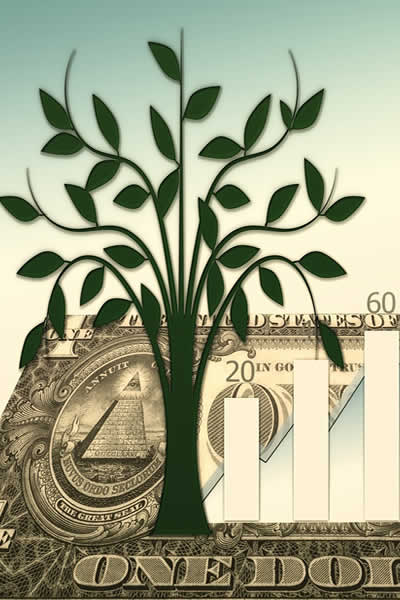
Once you understand that income streams can come from different “engines,” a vending machine route is a clear example of a small business built on repeatable, location-based operations.
With a vending route, entrepreneurs generate revenue by placing machines in strategic spots and then managing the unglamorous essentials: product inventory, basic maintenance, and a reliable restocking schedule.
The biggest driver of success is location, high-traffic places can produce steady sales, while poor placement can leave even a well-stocked machine underperforming.
Before you commit, get realistic about startup costs (the machines themselves, initial inventory, and any setup requirements) and how those costs compare to expected sales. Product selection matters just as much: what sells in an office break room may not move in a gym or a hotel, so matching inventory to customer demand is key.
It’s also important to be honest about what “passive” really means. A vending route can become a recurring revenue stream that complements other income sources, but it still requires oversight, checking stock levels, addressing breakdowns quickly, and keeping the operation consistent.
For a practical starting point, the guide to starting a vending machine route business lays out what to evaluate as you plan.
Choose and Run Your Streams: A Simple Alignment Framework
Picking income streams is less about chasing “the best idea” and more about choosing what fits your skills, schedule, cash position, and comfort with uncertainty.
-
Score every idea on Skills–Time–Capital–Risk (0–3 points each):
Create a one-page grid and rate each income stream: skills you already have, hours/week required, upfront cash, and downside risk (financial, legal, reputational).
A vending route might score higher on capital and operations time but lower on skill requirements, while freelancing often flips that profile. Total the scores, then only move forward with the top two ideas that you can realistically support for 90 days.
-
Do a quick risk tolerance evaluation before you invest a dollar:
Write down your “worst tolerable month” loss (for example: $300, or one machine repair plus one slow week) and your “time loss” limit (for example: 5 extra hours/week).
If an idea can blow past either limit, add a buffer plan before starting: a dedicated cash reserve, a spending cap, or a smaller pilot.
This keeps a vending route honest about what “passive” really means: it’s recurring revenue, but it still needs service time and surprise fixes.
-
Align the stream with your real strengths, and outsource the rest early:
List the 3–5 tasks that drive results for that stream (sales calls, restocking, bookkeeping, marketing, customer service).
Keep the tasks that match your strengths and outsource the ones that slow you down or create errors; many builders choose to Get professional help for the parts that don’t come naturally, especially customer-facing “first impression” work.
For example, you might handle location outreach and machine checks, but hire out logo/menus, bookkeeping cleanup, or simple maintenance.
-
Timebox each stream with a weekly “minimum effective routine”:
Define the smallest schedule that keeps the stream healthy: “30 minutes daily inquiries + 90 minutes Saturday fulfillment” or “two 45-minute route stops weekly.”
Add a stop rule: if you miss the routine two weeks in a row, you pause expansion and fix capacity first. This prevents the common trap of adding a second stream before the first one is stable.
-
Set growth vs. sustainability guardrails using two targets:
Give every stream a growth target (increase profit 10% over 60 days, add one vending location per quarter) and a sustainability target (keep net margin above X, keep weekly hours below Y, maintain a cash buffer of one month’s expenses).
Review them monthly in a simple dashboard: revenue, profit, hours, stress points, and one operational metric like “stockouts” or “lead response time.” This keeps you scaling what’s working without quietly overloading your life.
-
Use a formalization checklist to decide when to treat it like a business:
When a stream hits consistent revenue for 2–3 months, assess whether you should formalize it (such as forming an LLC) using a side-by-side table: liability exposure, contract needs (leases/locations for vending), tax complexity, insurance requirements, and bank/account separation.
If you’re signing agreements, handling customer data, hiring help, or taking on meaningful liability, formalization and basic policies can reduce risk and simplify operations.
Common Questions About Multiple Income Streams
-
Q: What counts as “multiple income streams” if I’m just starting out?
A: It simply means earning money from more than one source. That can be a primary job plus a small freelance retainer, a product you sell monthly, or a rental or dividend payout. Start with one main stream and one small add-on you can manage consistently.
-
How do I keep this from getting complicated fast?
A: Standardize everything: one calendar, one budget view, and a short weekly checklist per stream. Use simple “if-then” rules like “if admin exceeds 2 hours, automate or outsource.” Complexity drops when each stream has a repeatable routine
-
When am I too busy to add another income source?
A: If you cannot protect two fixed work blocks a week, wait. Treat time like a budget and cap the stream at a minimum routine before you grow it. People who rely on a full-time occupation at home often succeed by planning time intentionally, not by squeezing it in
-
How can I reduce downside risk if a stream flops?
A: Pilot small: limit upfront spending, set a maximum monthly loss, and avoid long contracts early. Keep a separate cash buffer so one bad month does not touch rent, food, or debt payments. Review results monthly and cut what stays unprofitable
-
Should I build two streams at once or one at a time?
A: One at a time is usually safer because it reveals the true workload and profitability. Stabilize one stream until it runs predictably, then add the second with a tight scope. This also makes it easier to spot which effort is actually driving returns.
Start Building Income Streams That Protect Financial Flexibility
Even with good time management and risk controls, it’s easy to feel stretched choosing between stability today and long-term wealth creation tomorrow.
The steady way through is a simple, repeatable mindset: build multiple income streams deliberately, one sustainable layer at a time, so each new effort supports the last.
Done well, that approach compounds into financial flexibility benefits, more options, less dependence on any single paycheck, and greater personal finance empowerment when life shifts. Multiple income streams turn financial security from a hope into a plan.
other related articles of interest:
Tips on How to Make Money Flipping Houses and How to Manage The Process
Image Credit: multiple incomes sources by envato.com
end of post … please share it!
end of post idea for home improvement
view and analyze home improvement ideas at our LetsRenovate center
Helpful article? Leave us a quick comment below.
And please give this article a rating and/or share it within your social networks.