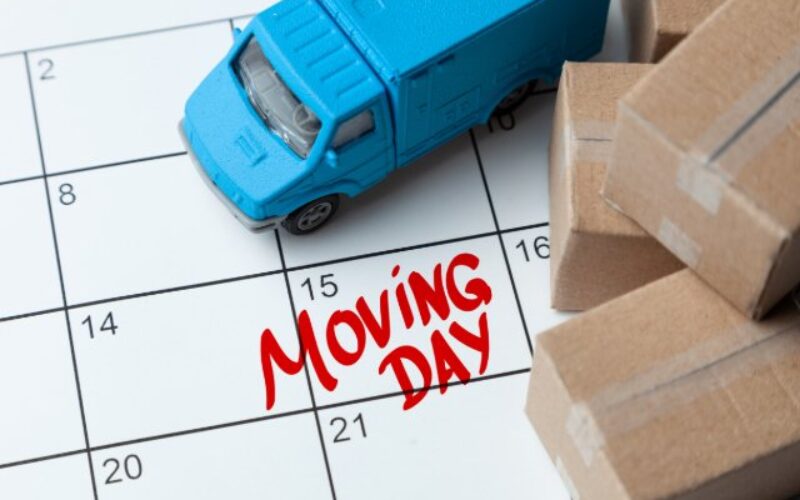
When everything seems urgent at the same time, even a relatively straightforward move can become stressful.
Learning how to prepare for a move without getting overwhelmed is largely about giving yourself enough time and breaking the process into manageable pieces. Instead of treating moving as one enormous project, approach it as a series of smaller jobs that can be handled over several weeks. A little organization early on can prevent a frantic rush as moving day approaches.
Start Earlier Than You Think You Need To
One of the easiest ways to make moving more difficult is waiting until the last minute to begin. Even if you do not have much to pack, there are usually more administrative and logistical tasks involved than expected.
Start by writing down everything that needs to happen before you leave your current home. This might include booking movers, gathering packing materials, changing your address, transferring utilities, cleaning, arranging transportation, and completing paperwork related to your new home.
Once you can see everything in one place, spread those responsibilities across the weeks leading up to the move. Tasks that do not depend on your moving date can often be completed early, leaving fewer things competing for your attention during the final few days.
Get Rid of Things Before You Pack Them
Packing is much easier when you are not moving belongings you no longer want. Before filling boxes, spend some time going through closets, cabinets, storage areas, garages, and other places where unused possessions tend to accumulate.
You do not need to make a difficult decision about every object you own. Start with obvious candidates: clothing that no longer fits, broken household items, old paperwork you do not need, duplicate kitchen tools, and anything you have not used in years.
Separate unwanted belongings into categories for donation, sale, recycling, or disposal. Try to remove these items from your home as you go rather than creating a large pile that becomes another moving-day problem.
Decluttering can also reduce the number of boxes you need, save space in a moving truck, and make unpacking your new home considerably easier.
Pack in an Order That Makes Sense
Packing randomly can create unnecessary frustration. Instead, begin with belongings you are unlikely to need before moving day.
Seasonal decorations, books, rarely used kitchen equipment, extra linens, artwork, and items stored in spare rooms are good places to start. Everyday essentials should remain accessible until much closer to the move.
Label each box with both its contents and the room where it belongs. A label such as “kitchen” is helpful, but “kitchen—baking supplies and mixing bowls” is even better. Clear labels reduce the amount of searching you will have to do later and help anyone assisting with the move know where boxes should go.
Avoid making boxes unnecessarily heavy as well. Books and other dense items are better packed in smaller containers, while larger boxes can hold lighter belongings such as pillows, bedding, or clothing.
Expect a Few Things to Go Wrong
Careful planning can make a move easier, but it cannot eliminate every possible problem. Weather can change, schedules can shift, elevators can be unavailable, furniture may not fit through a doorway, and packing can take longer than expected.
Understanding some of the common moving challenges before moving day can make unexpected problems feel more manageable. Instead of assuming everything will happen exactly according to schedule, leave some flexibility in your plans.
Build extra time into important parts of the move whenever possible. Avoid scheduling every task back-to-back, and have alternatives in mind for situations that could cause significant delays. Preparation does not mean predicting every problem. It means leaving yourself enough room to adjust when something changes.
Ask for Help Before You Desperately Need It
Many people wait until they are already behind schedule before asking anyone for assistance. If you know you will need help, arrange it early.
Friends and relatives may be able to assist with packing, watching children, caring for pets, transporting smaller belongings, or cleaning. If you are hiring professional movers, book them well in advance, particularly if your moving date falls during a busy period.
Be specific when asking for help. Instead of inviting someone over to “help with the move,” explain what you actually need done. A clear request makes it easier for people to contribute and prevents everyone from standing around wondering where to begin.
Make Moving Day as Simple as Possible
By moving day, most decisions should already have been made. Boxes should be packed and labeled, important belongings should be separated, and everyone involved should know the basic schedule.
Keep pathways clear so boxes and furniture can be moved safely. If you live in an apartment or another building with shared spaces, confirm parking, loading, elevator, and access requirements beforehand.
Have water and simple food available as well. Moving is physically demanding, and skipping meals because everything is packed away can make an already tiring day harder.
Before leaving your old home, walk through every room, closet, cabinet, garage, attic, basement, or storage space. Check for forgotten belongings, close windows, and make sure you have completed any required cleaning or key handoffs.
Focus on Getting Settled, Not Getting Finished
The pressure does not necessarily disappear once the moving truck arrives at the new home. Looking at stacks of boxes can create the feeling that everything needs to be unpacked immediately.
It does not.
Start with the rooms and belongings that make daily life possible. Set up beds, unpack toiletries, get the kitchen functional, and locate the clothes and work items you will need during the next few days. Decorative items, books, spare-room belongings, and other nonessential possessions can wait.
This is another important part of how to prepare for a move without getting overwhelmed: recognize that moving is a process rather than a single day. You do not need to leave your old home, transport everything you own, and have your new home completely organized within 24 hours.
Give yourself time to settle in. With thoughtful preparation, realistic expectations, and a willingness to handle the process one task at a time, moving can become much more manageable.
Image Credentials: by adragan, 246983454
end of post … please share it!
end of post idea for home improvement
view and analyze home improvement ideas at our LetsRenovate center
Helpful article? Leave us a quick comment below.
And please give this article a rating and/or share it within your social networks.