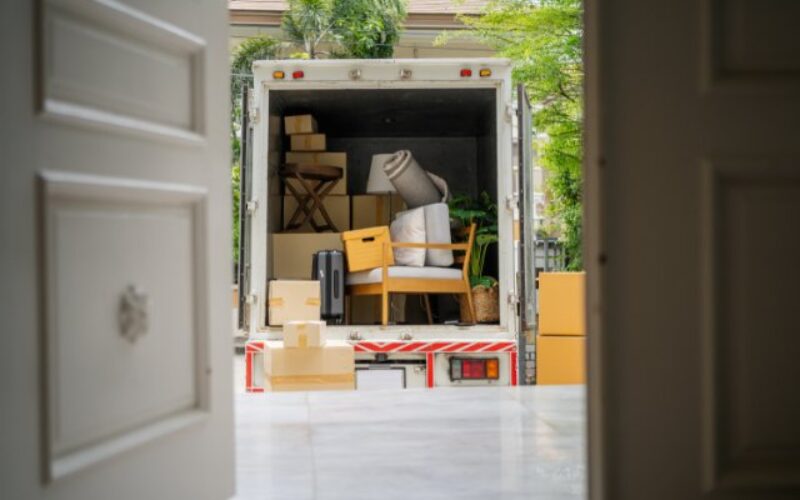
A cracked table or broken appliance may seem minor compared to the home’s price, but multiple losses quickly add financial pressure. This is how moving damage raises the cost of settling into a new home.
Replacement Costs Arrive at the Worst Time
Moving damage often shows up when your finances already feel strained after closing-day expenses. Your down payment has likely drained a large portion of your savings, and moving services take another huge share. Replacing damaged items forces you to redirect money from essential expenses like groceries or utilities. Even small losses feel overwhelming when they occur during a month with limited flexibility, making it harder to maintain financial stability during your transition.
Claims Do Not Always Solve the Problem
While moving insurance can provide some protection, reimbursement is rarely immediate when you need replacements quickly. You must carefully document the damage and wait for the company to review your claim before determining coverage. During this waiting period, you may need to purchase replacements using credit cards to meet immediate household needs. This delay can turn a single damaged item into ongoing debt, affecting your finances for several months after the move is complete.
Better Packing Protects Your Budget
Taking time to pack carefully reduces the risk of fragile items shifting and breaking during transit. Understanding how air bubble packaging protects fragile items highlights the importance of proper cushioning when a moving truck encounters bumps or rough roads. The goal is not to overpack or waste materials, but to focus on protecting valuable and delicate belongings. Prioritizing these items helps prevent costly replacements during an already financially demanding moving process.
Cheap Supplies Often Cost More Later
Choosing low-cost packing supplies may seem like a smart way to save money during an expensive move. However, weak boxes and poor-quality tape can fail under pressure, leading to damaged belongings. When a box collapses, the cost of replacing its contents quickly outweighs any initial savings.
Investing in sturdy materials helps protect your items and reduces the likelihood of needing replacements. Spending slightly more upfront can prevent much larger expenses after you settle into your new home.
Build Damage Into the Moving Budget
Creating a realistic moving budget means accounting for potential damage, even when you take precautions. Setting aside a small emergency fund for replacements ensures that one broken item does not disrupt your financial plans. This reserve allows you to shop carefully instead of rushing into expensive purchases.
Understanding how moving damage raises the cost of a new home highlights the importance of preparation and timing. Planning for unexpected damage helps you stay in control of your finances and prevents minor setbacks from turning into larger financial challenges during your first month in your new home.
Image Credentials: tapui, 530815287
end of post … please share it!
end of post idea for home improvement
view and analyze home improvement ideas at our LetsRenovate center
Helpful article? Leave us a quick comment below.
And please give this article a rating and/or share it within your social networks.