It is entirely normal to feel a bit overwhelmed by the numbers staring back at you, especially when juggling the many expenses that come with running a household.
However, looking at that bill does not have to be a source of stress. Instead, it can be a regular reminder of your financial health and a monthly opportunity to tend to your economic well-being.
Managing your credit card balance is much like maintaining a garden. It requires regular attention, a bit of pruning, and consistent care to ensure that weeds do not take over.
The most effective way to keep this financial garden flourishing is by paying off your credit card balance in full every single month. This simple yet powerful habit can transform your relationship with money, turning what feels like a burden into a tool for building a secure and comfortable future.
By understanding why this practice matters, you can move away from the cycle of debt and towards a state of harmonious financial stability.
Unraveling The Mystery Of Credit Card Interest
To understand why paying in full is so vital, we first need to look at how credit cards actually work. When you carry a balance from one month to the next, you are essentially borrowing money from the card issuer, and they charge you for that privilege.
This charge comes in the form of interest, usually expressed as an Annual Percentage Rate, or APR. While the term sounds technical, the concept is straightforward. The bank applies a percentage of your unpaid balance as a fee every day that the debt remains.
Interest is the weed in your financial garden. If left unchecked, it grows rapidly and can choke out your other financial goals.
Credit card interest compounds, meaning you pay interest on your principal balance and also on the interest that has already accumulated. Even a seemingly manageable balance can balloon over time if you only make minimum payments.
For example, carrying a balance of just a few thousand dollars can cost you hundreds in interest over the course of a year. By paying the bill in full before the due date, you effectively utilize a grace period where the bank lends you money for free.
You get the convenience of the card without the cost of the loan.

The Freedom Of A Zero Balance
The most immediate benefit of clearing your balance monthly is the savings. When you pay the statement balance in full, you completely avoid interest charges.
That money which would have gone to the bank as a fee stays in your pocket, available for groceries, home improvements, or saving for a rainy day. It is the most efficient way to use a credit card, allowing you to reap rewards like cash back or travel points without giving anything back in fees.
Beyond the savings, consistently paying off your balance is wonderful fertilizer for your credit score. Your credit utilization ratio, which is the amount of credit you are using compared to your credit limit, is a major factor in calculating your score.
Keeping your balance at zero month after month demonstrates to lenders that you are a responsible borrower who can manage credit without becoming overextended. A higher credit score can open doors to lower interest rates on mortgages and auto loans, making other aspects of life more affordable.
This habit also cultivates a deep sense of financial stability. When you know that you can pay for everything you charged in the past month, you are living within your means.
You are not borrowing from your future self to pay for today’s needs. This brings a tremendous amount of peace of mind. You are no longer worrying about mounting debt or how long it will take to pay off a purchase from months ago. You are free to focus on your current needs and future dreams.
Finally, keeping a zero balance maximizes your purchasing power. If you have a credit limit of five thousand dollars and carry a balance of four thousand, you only have one thousand dollars available for emergencies or necessary purchases.
By paying it off, you restore your full credit limit every month, ensuring you have a safety net ready should you ever need it.
Cultivating A Healthy Payment Routine
Creating a routine where you pay off your balance requires a bit of planning, just like planning a vegetable patch requires knowing the seasons.

The first step is creating a budget. You need to know exactly how much money is coming in and how much is going out. By tracking your spending, you ensure that you never charge more to your card than you have sitting in your checking account. Treat your credit card like a debit card; if the money isn’t in the bank, the purchase doesn’t happen.
Setting up automatic payments can act as a reliable irrigation system for your finances. Most credit card issuers allow you to set up a payment for the full statement balance on the due date automatically.
This ensures you never miss a payment and never incur a late fee. It takes the memory work out of the equation and guarantees that your balance is wiped clean every month. However, even with autopay, it remains important to review your statement to ensure all charges are accurate.
Regularly monitoring your spending is another key strategy. In the age of digital banking, it is easier than ever to check your balance weekly or even daily. This keeps you connected to your spending habits and prevents the shock of a large bill at the end of the month.
If you see the numbers creeping up higher than your budget allows, you can adjust your spending immediately rather than waiting until the bill arrives.
If you find yourself in a month where paying the full balance is simply not possible due to an emergency, aim to pay as much as you possibly can. Paying more than the minimum is essential.
The minimum payment is often calculated to keep you in debt for as long as possible. By attacking the principal balance aggressively, you minimize the interest damage and get back on the path to a zero balance faster.
The Thorns Of Unpaid Balances
Ignoring the balance on your credit card can lead to difficult consequences that are hard to uproot. The most obvious issue is the high cost of interest. Credit cards often have interest rates significantly higher than other forms of borrowing.
When you carry a balance, you are paying a premium for everything you bought. A dinner out that cost fifty dollars could end up costing nearly double that if paid off slowly over time. This drains your monthly income and limits what you can do with your money.
Carrying a high balance can also damage your credit score. If your utilization ratio creeps up near your credit limit, lenders view this as risky behavior. A lower credit score can make it harder to rent an apartment, buy a home, or even get a cell phone plan. It signals financial distress, even if you are making your minimum payments on time.
Perhaps the most challenging consequence is the cycle of debt. When interest accumulates, your balance grows even if you stop spending. It can feel like you are digging a hole that keeps filling back up with dirt. This cycle can cause significant emotional stress and strain relationships.
It becomes difficult to save for the future when your income is tied up paying for the past. Avoiding this trap by paying in full is the kindest thing you can do for your future self.
Nurturing Your Financial Future
Managing your credit card balance is not just about math; it is about self-care. It is about creating a life where you control your money, rather than your money controlling you.
By committing to paying off your bill in full each month, you protect your hard-earned income from interest, boost your credit reputation, and maintain a sense of calm and order in your financial life.
Start small if you need to. If you are currently carrying a balance, make a plan to pay it down and then transition to the pay-in-full method.
Be patient with yourself as you cultivate these new habits. With time and consistency, you will find that tending to your finances becomes second nature, leaving you with a flourishing garden of stability and peace.
other related articles of interest:
Parenting and Emotional Intelligence: A Guide to Raising Resilient and Empathetic Children
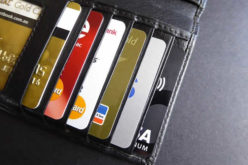
Image Credit: pay off your credit card balance by envato.com
end of post … please share it!
end of post idea for home improvement
view and analyze home improvement ideas at our LetsRenovate center
Helpful article? Leave us a quick comment below.
And please give this article a rating and/or share it within your social networks.