For construction managers and site supervisors, knowing how to protect a construction site from extreme weather is not just about avoiding delays; it’s about ensuring worker safety, safeguarding expensive equipment, and staying within budget.
This list breaks down practical ways you can weatherproof your job site to minimize weather-related impacts.
Secure Materials and Equipment
Loose tools, building materials, and heavy machinery can be liabilities in extreme conditions. High winds can turn unsecured materials into dangerous projectiles, and water damage can ruin sensitive equipment. Instead of letting items pile up, make sure the equipment and materials are safely stored.
Make sure to anchor lightweight items like plywood or tarps. Installing temporary storage units for smaller tools and sheds for bulk supplies are excellent options. You can also rethink which equipment you keep on-site.
For example, storing idle machinery is often the best option, especially if extreme weather is in the forecast. If machines that are not in use are already stored off-site, you’ll have one less problem to deal with during severe weather events.
Implement Erosion Control Measures
When heavy rain hits, erosion becomes a real challenge. Soil erosion not only disrupts your work schedule but can also compromise the stability of your foundation and damage ongoing projects.
Simple measures go a long way. Installing silt fences to gather sediment, laying down temporary erosion blankets, or using sediment traps can make a significant difference during wet weather.
The sooner you take these steps, the fewer risks you’ll face during heavy downpours. Think about how runoff will flow around your site and plan preventative measures accordingly.
Protect Workers From the Elements
Construction workers are critical to every job site, so keeping them safe and comfortable in extreme weather should always be a priority. During heatwaves, dehydration and heat-related illnesses are very real concerns. Providing cooling stations, shaded areas, and plenty of water will keep everyone going.
Meanwhile, in colder months, warm break rooms and proper winter gear, such as thermal gloves and jackets, help protect against the chill. By making worker well-being a priority, you avoid health risks that could lead to delays or more serious complications.
Conduct Regular Site Inspections
Walk your construction site daily to look for weak points like loose scaffolding or improperly secured materials. Use a checklist during inspections to ensure you don’t overlook key areas, like drainage systems or protective fencing. The more proactive you are with these checks, the fewer surprises you’ll face during or after a storm.
Develop an Emergency Action Plan
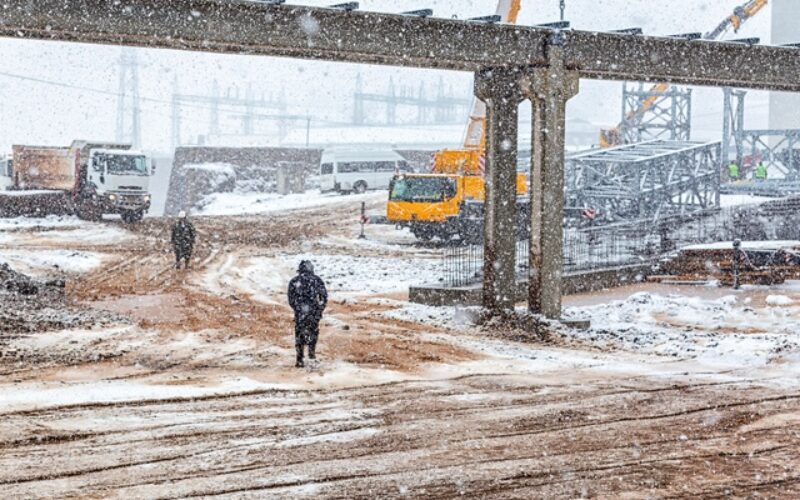
Preparation is your best defense against the unexpected, which is why you should always have an emergency action plan. Make sure your team understands the procedures for common scenarios, whether it’s evacuating during a hurricane or securing the site ahead of a snowstorm.
Communication protocols are just as vital. Having a reliable way to keep everyone connected during emergencies ensures safety, no matter the type of extreme weather.
Knowing how to protect a construction site from extreme weather is an essential skill for every construction manager. Simple measures like storing idle machinery and prioritizing safety can prevent project disruptions and protect your team.
When you invest in preventative strategies and emergency planning now, it sets your site up for success, no matter what nature might throw your way.
Image Credentials: By Funtay, 617715039
end of post … please share it!
end of post idea for home improvement
view and analyze home improvement ideas at our LetsRenovate center
Helpful article? Leave us a quick comment below.
And please give this article a rating and/or share it within your social networks.