
By taking a closer look at your daily financial habits, you may discover simple changes that quietly add up to real financial breathing room.
Let’s walk through a few gentle, practical strategies that can help you build a healthier relationship with your money.
Give Yourself 24 Hours Before a Big Purchase
It’s no secret that many of us shop on impulse. There’s even science behind it: making a purchase can give your brain a small boost of oxytocin, creating that fleeting "retail therapy" high. But once the excitement fades, so does the satisfaction, often faster than we’d like to admit.
The next time you feel the pull to buy something you’re not quite sure about, pause and ask yourself a few gentle questions. Am I trying to soothe an emotional need with this purchase? Will I still love this in a month’s time? Do I genuinely need it?
Giving yourself even a day to sit with the decision can make all the difference between a mindful purchase and a moment of regret.

Embrace the Power of Delayed Gratification
Your everyday spending choices can say a lot about your financial future. Maybe you’ve struggled with managing money since you were young, or perhaps saving still feels like an uphill battle. Wherever you’re starting from, it’s never too late to reshape your habits.
One trait shared by many financially secure people is the ability to delay gratification, choosing to wait for a bigger reward down the road instead of chasing an immediate one. Every dollar you spend today shapes the possibilities available to you tomorrow.
Spending with intention, rather than impulse, is one of the kindest things you can do for your future self.
Live Below Your Means
You’ve likely heard this advice before, but let’s take a moment to really sit with it. Consider your income in terms of the hours you work to earn it.
The next time you’re weighing a purchase, try a quick mental calculation: how many hours of work would this cost me? Is it truly worth that trade?
More often than not, you’ll find yourself hesitating, and that’s a good thing. Allowing yourself the occasional indulgence, rather than making it a habit, helps build essential skills like patience and self-control. It’s not about deprivation, it’s about making room for the things that matter most to you.
Pay Yourself First
No matter your age or income level, if you’re earning a stable paycheck, a portion of it deserves to go straight into savings before anything else. This means treating your own financial future as a priority, right alongside (or even ahead of) your regular bills.
It’s a small mindset shift with big implications, essentially telling yourself, "My future matters as much as this month’s water bill."
The easiest way to start is by taking small, consistent steps. Setting up an automatic monthly transfer to your savings account removes the guesswork and the temptation, letting the habit build itself over time.
Invest in Your Financial Education
It’s never too late to deepen your understanding of money. Fortunately, there are countless voices who have generously shared what’s worked for them on the path to financial independence.
Robert Kiyosaki, author of Rich Dad, Poor Dad, offers timeless lessons on building lasting wealth. Thomas J. Stanley’s The Millionaire Next Door provides a grounded look at how everyday people build real financial security.
And Tony Robbins’ MONEY Master the Game is packed with practical wisdom for taking control of your financial life. These are just a starting point.
Try building a small daily habit of reading articles, books, or financial news. Over time, this steady stream of knowledge adds up to real confidence and clarity.
Start Small: Make Your Coffee at Home
New habits are built through practice, and there’s no better place to start than your own kitchen. Brewing a fresh cup of coffee at home each morning is a small ritual that can wake up your senses and gently support your savings goals.
Skipping the daily coffee shop run could save you around $21 a week, which adds up to roughly $100 a month.
If you can’t imagine giving up your favorite flavored latte, don’t worry, you don’t have to give up the joy entirely. Pick up a bottle of caramel syrup at the grocery store, froth up some milk at home, and recreate that café-style treat for a fraction of the cost.
Small Shifts, Lasting Change
None of these habits require drastic life changes or extreme sacrifice. They’re gentle nudges, small moments of pause and intention that, over time, reshape how you relate to your money.
Whether it’s waiting 24 hours before a purchase, brewing your coffee at home, or simply picking up a new financial book, every small step brings you closer to the sense of security and freedom you’re working toward.
Financial well-being isn’t about perfection. It’s about progress, patience, and giving yourself the grace to grow into better habits, one mindful choice at a time.
References to Explore
If you’re looking to deepen your understanding and build a more robust relationship with money, consider these insightful reads:
- Rich Dad, Poor Dad by Robert Kiyosaki: A timeless book on building wealth by shifting your financial mindset and understanding the difference between assets and liabilities.
- The Millionaire Next Door by Thomas J. Stanley and William D. Danko: A compelling exploration of how real financial security is achieved by living below your means and maintaining disciplined habits.
- MONEY Master the Game by Tony Robbins: A practical guide to taking control of your financial future with strategies shared by top investors.
These works are packed with perspectives and strategies that can serve as stepping stones toward financial clarity and peace of mind. Even a few chapters can inspire actionable ideas that fit easily into your daily life.
life-management ideas to consider (complete directory – new win):

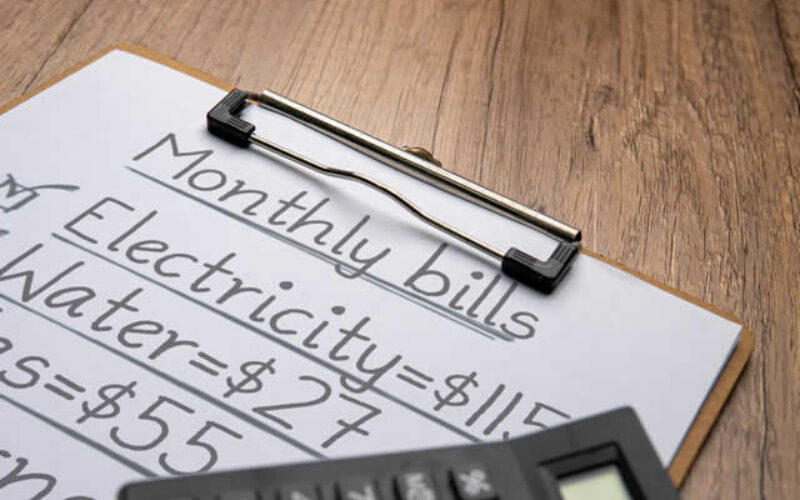
Image Credit: by envato.com
end of post … please share it!
end of post idea for home improvement
view and analyze home improvement ideas at our LetsRenovate center
Helpful article? Leave us a quick comment below.
And please give this article a rating and/or share it within your social networks.