Ever wondered why your trailer seems to pull differently than it used to? Or perhaps you’ve noticed a strange wobble at highway speeds? Maybe you’re simply questioning whether your trailer is actually safe to tow?
If you own a trailer in Australia, regular service and maintenance aren’t just good practice—they’re absolutely essential for your safety and the safety of other road users.
Whether you’re hauling a boat to the coast, transporting equipment for work, or moving house, a well-maintained trailer makes all the difference. Neglect it, and you’re looking at potential breakdowns, costly repairs, or worse—a serious accident.
In this guide, we’ll walk you through everything you need to know about trailer service and repairs in Australia. You’ll learn about different trailer types and their key components, discover how often you should service your trailer, and get a thorough checklist of what needs attention.
We’ll also cover common problems and their fixes, help you decide between DIY and professional servicing, and give you tips on extending your trailer’s lifespan. Let’s get stuck into it.
Understanding Your Trailer: Types and Components
Common Trailer Types in Australia
Australia’s diverse landscape and industries mean we use a massive variety of trailers. Box trailers are probably the most common—perfect for weekend trips to the tip or moving furniture. Boat trailers are everywhere along our coastlines, while car trailers and flatbeds serve trades and businesses daily.
You’ll also find camper trailers, horse floats, tipper trailers, and heavy-duty plant trailers. Each type has its own specific maintenance needs, but they all share fundamental components that require regular attention.
Key Components That Require Regular Attention
Regardless of trailer type, certain components need consistent care. These include brakes, wheel bearings, tires, electrical systems, couplings, suspension, and the frame itself. Understanding these parts helps you spot problems early and communicate effectively with mechanics. Think of it as knowing the basics before you hand over the keys.
How Often Should You Service Your Trailer?
Recommended Service Intervals
Most trailer manufacturers recommend a full service every 12 months or 10,000 kilometers—whichever comes first. However, if you’re using your trailer frequently, towing heavy loads, or driving on rough terrain, you’ll want to service it more often. Commercial operators should consider quarterly inspections at minimum.
Between services, quick visual checks before each trip can catch problems early. A five-minute walk-around could save you hours of roadside drama.
Signs Your Trailer Needs Immediate Attention
Don’t wait for your scheduled service if you notice warning signs. These include unusual noises like grinding or squealing, vibrations through the tow vehicle, uneven tire wear, lights not working, or the trailer pulling to one side. Any of these symptoms mean something’s wrong, and continuing to tow could make things worse—or dangerous.
Essential Trailer Service Checklist
Brakes and Brake Systems
Electric brakes should respond smoothly and evenly. Check brake pads or shoes for wear, inspect drums or rotors for scoring, and test the breakaway system. Hydraulic surge brakes need their fluid levels checked and the actuator inspected for leaks or damage.
Tires, Wheels and Bearings
Wheel bearings are notorious for causing trailer breakdowns. They need regular repacking with grease—typically every 10,000 kilometers or annually. Check tire pressures before every trip, look for cracks or bulges, and confirm adequate tread depth. Don’t forget to inspect wheel nuts for tightness.
Lights and Electrical Systems
Test all lights including indicators, brake lights, and number plate illumination. Check the wiring harness for damage, corrosion, or loose connections. A faulty trailer light can result in a fine or, worse, cause an accident at night.
Coupling and Safety Chains
The coupling should lock securely onto your tow ball with no excessive play. Safety chains need to be the correct rating for your trailer’s weight and should cross under the coupling. Inspect for stretched links or worn attachment points.
Suspension and Axles
Look for worn bushings, bent components, or signs of impact damage. Leaf springs can crack or sag over time, while independent suspension systems have their own wear points. Axles should be straight and aligned—any bending indicates serious damage.
Structural Integrity and Rust Prevention
Inspect the frame, floor, and sides for rust, cracks, or damage. Australian coastal environments are particularly harsh on trailers. Treat any rust spots promptly and consider protective coatings if you’re frequently near salt water.
What Does a Full Trailer Service Include?
A thorough professional service covers all the components mentioned above, plus a few extras. The mechanic will remove wheels to inspect and repack bearings, adjust brakes, check electrical connections at each light fitting, and examine the coupling mechanism thoroughly.
They’ll also test brake controller settings, measure tire tread depth, check suspension components for wear, and inspect the chassis for structural concerns. You should receive a written report detailing any issues found and work completed. This documentation is valuable for insurance purposes and when selling your trailer.
Common Trailer Problems and How to Fix Them
Wheel Bearing Failure
Bearing failure is the most common cause of trailer breakdowns. Warning signs include a howling noise, wheel wobble, or heat emanating from the hub. If caught early, replacing bearings is straightforward. Left too long, you might need new hubs, spindles, or even axles.
Brake Wear and Malfunction
Electric brake magnets wear out, drums become scored, and adjustment mechanisms seize up. Regular inspection catches these issues early. If your trailer brakes feel weak or grabby, have them checked immediately.
Electrical Faults and Lighting Issues
Corroded connections are the usual culprit. Clean contacts with electrical cleaner, apply dielectric grease, and replace damaged wiring. Waterproof connections are worth the investment, especially for boat trailers.
Rust and Corrosion Damage
Treat surface rust with a rust converter, then prime and paint. For structural rust, professional assessment is essential—you don’t want your trailer frame failing under load.
Tire Wear and Blowouts
Uneven wear indicates alignment or suspension problems. Check pressures regularly, as trailer tires often sit for extended periods and slowly lose air. Replace tires showing cracks, regardless of tread depth—rubber degrades with age.
Can You Service a Trailer Yourself or Should You Use a Professional?
DIY Maintenance Tasks
Plenty of maintenance tasks suit confident DIYers. Checking tire pressures, testing lights, greasing couplings, and visual inspections require minimal tools and expertise. Repacking wheel bearings is achievable if you’re mechanically minded, though it takes patience and proper technique.
When to Call a Professional
Brake repairs, suspension work, welding, and electrical troubleshooting are best left to professionals. The same goes for any work affecting structural integrity. If your trailer needs a roadworthy certificate, you’ll need a licensed inspector anyway.
How Much Does Trailer Servicing Cost?
Basic trailer services in Australia typically range from $150 to $350, depending on trailer size and complexity. This covers inspection, bearing repack, brake adjustment, and light testing. Additional repairs are charged separately.
Boat trailers and those with electric brakes usually cost more due to extra components. Budget for bearing kits, brake pads, and other consumables on top of labor charges. While these costs might seem significant, they’re far cheaper than emergency roadside repairs or replacing damaged components.
Choosing the Right Trailer Repair Service
What to Look for in a Trailer Mechanic
Seek out specialists rather than general mechanics—trailer systems have unique characteristics. Look for experience with your trailer type, positive reviews, and transparent pricing. A good mechanic will explain issues clearly and prioritize safety-critical repairs.
Questions to Ask Before Booking
Ask about their experience with your trailer brand, what’s included in a standard service, and how long it will take. Confirm they can provide written reports and ask about warranty on parts and labor Getting quotes from multiple providers helps you understand fair pricing.
How to Extend the Lifespan of Your Trailer
Store your trailer undercover when possible, or use a quality cover. Keep it clean, especially after coastal trips where salt accelerates corrosion. Move stored trailers occasionally to prevent flat spots on tires
Apply lubricant to moving parts regularly, touch up paint chips before rust develops, and address small problems immediately. A well-maintained trailer can last decades, while a neglected one might only manage a few years before becoming unsafe or uneconomical to repair.
Trailer Safety and Roadworthy Requirements
Each Australian state has specific requirements for trailer registration and road-worthiness. Generally, your trailer must have functioning lights, adequate brakes for its weight, appropriate safety chains, and structural integrity. Regular servicing helps maintain compliance.
Overloading is illegal and dangerous—know your trailer’s ATM (Aggregate Trailer Mass) and stay within it. Proper weight distribution prevents dangerous sway, so load heavier items low and forward of the axle.
Keeping Your Trailer Road-Ready
Throughout this guide, we’ve covered the essentials of trailer maintenance—from understanding your trailer’s components to recognizing warning signs, completing thorough inspections, and knowing when professional help is needed. The key message? Regular maintenance prevents breakdowns, saves money, and keeps everyone safe.
Whether you’re a weekend warrior with a small box trailer or a tradie relying on your trailer daily, the principles remain the same. Check your trailer before trips, service it regularly, and address problems promptly. It’s that simple.
other related articles of interest:
Your trailer is an investment worth protecting. Treat it well, and it’ll serve you faithfully for years to come. Now’s the perfect time to walk outside, give your trailer a thorough once-over, and book that service you’ve been putting off. Your future self—stuck on the side of a busy highway—will thank you for it.
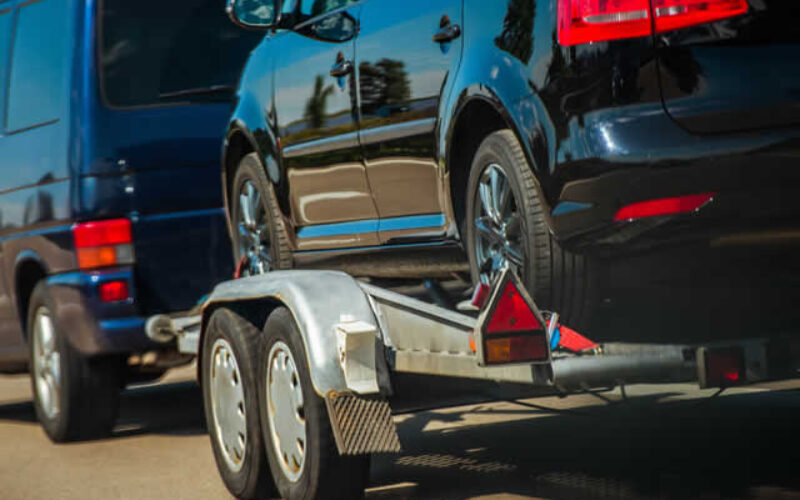
Image Credit: trailer services and repair by envato.com
end of post … please share it!
end of post idea for home improvement
view and analyze home improvement ideas at our LetsRenovate center
Helpful article? Leave us a quick comment below.
And please give this article a rating and/or share it within your social networks.