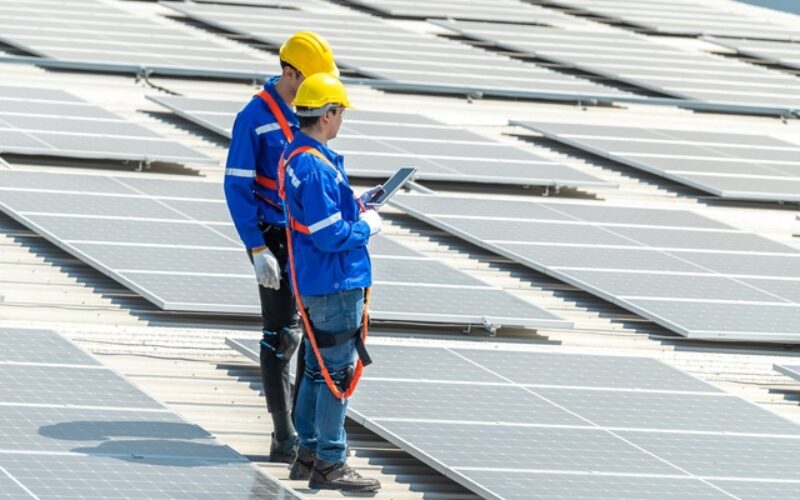

Planning a large-scale solar farm requires you to carefully consider multiple interconnected elements. Each of these components must be in place for large solar projects to function effectively. Understanding these essential elements can mean the difference between a profitable solar venture and costly project delays. Learn what every large solar project needs to keep your project running smoothly.
Advanced Monitoring Systems
Modern solar farms require sophisticated monitoring capabilities that can track the performance of each solar panel across acres of land. Advanced monitoring systems provide real-time data on energy production, equipment health, and system efficiency.
Performance monitoring encompasses more than just solar output. Comprehensive systems analyze weather patterns, predict maintenance needs, and optimize energy distribution. This data-driven approach enables operators to make informed decisions that can significantly impact project profits and sustainability.
Placards and Labels
Safety is a critical component of solar energy projects, and placards and labels play a key role in maintaining compliance with all safety protocols. They protect workers and enable the company to manage risks without hindering productivity.
You will need different placards or labels depending on your solar project. Explore the different types of labels and placards for solar installations to ensure equipment safety and ease of use during maintenance and repairs.
Regulatory Compliance Framework
Complex regulatory landscapes with ever-changing rules are challenging to navigate. That said, it is crucial for your company to have a robust regulatory compliance framework in place. This framework ensures regulatory compliance through proper documentation, permitting, and ongoing monitoring, thereby protecting investments and ensuring uninterrupted operations.
Strategic Location and Grid Integration
Site selection directly impacts project viability and long-term success. The right location will help your business maximize energy output and minimize losses and integration challenges. To choose the right site, compare different factors such as solar irradiance, grid connectivity, land costs, and regulatory environments.
Grid integration is also important when choosing a site for your solar project. Grid integration capabilities determine how effectively projects can deliver power to end users. Solar farms must have sophisticated grid management systems that can handle variable output while maintaining system stability and reliability.
Comprehensive Maintenance Programs
Proactive maintenance is much better than reactive maintenance. Being proactive involves planning maintenance and inspections before problems become noticeable. Large solar installations require specialized maintenance approaches that address unique challenges, including equipment access, weather exposure, and system complexity.
Maintenance planning should address both routine servicing and emergency response capabilities. With both approaches, your business can ensure optimal performance while minimizing operational disruptions that could impact financial returns.
Building Your Solar Project Foundation
Successfully executing large-scale solar projects requires careful integration of all essential components from the initial planning phase. Once you know what your large-scale solar project needs, you can begin your project with confidence. Organizations that recognize these interconnected requirements position themselves for long-term success in the growing renewable energy market.
Image Credentials: By BESTIMAGE, File 792945218
end of post idea for home improvement
view and analyze home improvement ideas at our LetsRenovate center
Helpful article? Leave us a quick comment below.
And please give this article a rating and/or share it within your social networks.