Keep in mind that hiring rules vary from state to state and from one department to another, but some requirements remain consistent across much of law enforcement. You’ll need to meet eligibility standards before moving through screening and training, so knowing what’s ahead gives you time to prepare.
Be Old Enough to Apply
For most police officer jobs, 21 is the standard minimum age for appointment. Some departments accept applicants at 18, especially when academy training begins before an officer reaches the required appointment age, but 21 is the number you’ll see most frequently. Federal law enforcement positions may also set upper age limits for entry.
So if you’re 18 to 20, you’re not automatically out. You may need to wait for appointment or qualify through a cadet route while you build experience before becoming a sworn officer.
Have The Required Education
A high school diploma or GED is the baseline education requirement for many police departments. Other agencies require college coursework, and some positions ask for an associate or bachelor’s degree. You don’t necessarily need a criminal justice degree unless the job posting specifically calls for one.
College still has value here. Coursework in writing or another field that strengthens job-related knowledge can support your preparation. Military service may also satisfy certain education requirements at some agencies, depending on the hiring rules in place.
Meet Citizenship or Employment Eligibility Rules
Citizenship requirements aren’t identical nationwide. Some departments require U.S. citizenship, while others accept applicants who have legal authorization to work in the country. Check this requirement early because it can determine whether you’re eligible to continue with the hiring process.
Don’t rely on an old assumption that every police job has the same citizenship rule. Hiring standards have changed in some jurisdictions. Your application will state the exact legal status required, and you’ll need documentation showing that you meet it before moving forward.
Earn A Passing Written Exam Score
A 70% score is a common passing benchmark on police officer written exams. Passing doesn’t always put you near the top of the hiring pool, though. When an agency ranks candidates by exam score, earning well above 70% can place you higher on the eligibility list.
What are you being tested on? You generally won’t need to memorize criminal law before applying. The exam focuses more on job-related abilities, including:
- Reading comprehension and written expression
- Reasoning and information ordering
Studying the test format beforehand makes the timed exam less foreign on test day.
Pass The Physical Ability Test
Physical testing varies more than the written exam, so there isn’t one national passing number. Still, police fitness tests commonly measure whether you can run for distance, complete short bursts of movement, and perform body-weight exercises under time limits.
A typical test may include:
- A 1.5-mile run to measure aerobic endurance
- Timed push-ups or sit-ups to measure muscular endurance
You’re preparing for job demands, not a bodybuilding contest. Train around the exact events listed by the hiring agency so your conditioning matches the test you’ll take.
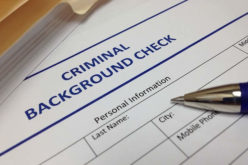
Pass A Background Investigation
Police departments review your history because officers receive legal authority and access to sensitive information. Expect investigators to examine your criminal history along with employment records and driving history. They’ll also compare what they find with the information you provided during the application process.
A felony conviction is a common disqualifier, and dishonesty during the background investigation can end your candidacy even when the underlying issue wouldn’t have done so by itself. Past drug use receives review too. The specific lookback period depends on agency policy.
Complete Medical and Psychological Screening
Before appointment, you’ll generally complete a medical examination to show that you can perform the essential duties of police work. The screening may review vision and hearing alongside other job-related physical requirements. Standards vary because agencies define the demands attached to their positions.
Psychological screening looks at whether you’re suited for the responsibilities and pressures of police work. It isn’t a quiz you should try to outsmart. Answer accurately and follow the evaluator’s instructions. Trying to give the response you think an agency wants can create problems during the review.
Graduate From A Police Academy
Most new officers complete academy training before moving into regular field assignments. Academy programs combine classroom instruction with hands-on training so recruits understand both police authority and how to use it appropriately.
Expect instruction in constitutional law and police procedure. You’ll also spend substantial time practicing job skills under supervision. Academy programs commonly require recruits to pass written assessments as well as practical evaluations before graduation.
Getting hired doesn’t mean the difficult part is finished. You still have to meet academy standards before you’re prepared to work as a sworn officer.
Learn To Work in Body Armor
As part of your training, you’ll need to learn how to move and perform police duties while wearing protective equipment. Officers use body armor because it enhances officer performance and safety in danger by reducing exposure to certain ballistic threats. However, armor adds weight to your body and can restrict movement during a long shift.
Training in armor teaches you how the added load affects your movement before you face that problem during field duty. You’ll learn how your issued equipment fits while you perform normal police tasks.
Hold A Valid Driver’s License
A valid driver’s license is a common requirement for police officer positions because patrol work puts officers behind the wheel throughout a shift. You may also face a review of your driving history during the background investigation.
A single minor ticket doesn’t automatically disqualify you. Agencies pay closer attention to driving behavior that shows repeated unsafe conduct or serious violations. DUI convictions and reckless driving receive much closer scrutiny than an isolated low-level citation. If patrol is part of the position, the department needs to know you can legally operate its vehicles.
Know What Your Department Expects Before You Apply
The path into police work isn’t identical everywhere, but learning the requirements to become a police officer shows you what to review before you apply. Your next move is to check the hiring page for the department you want and compare its rules with your current qualifications. If something needs attention, you’ll know where to focus before the application process begins.
Image Credentials: Pixel-Shot, 328056113
end of post … please share it!
end of post idea for home improvement
view and analyze home improvement ideas at our LetsRenovate center
Helpful article? Leave us a quick comment below.
And please give this article a rating and/or share it within your social networks.