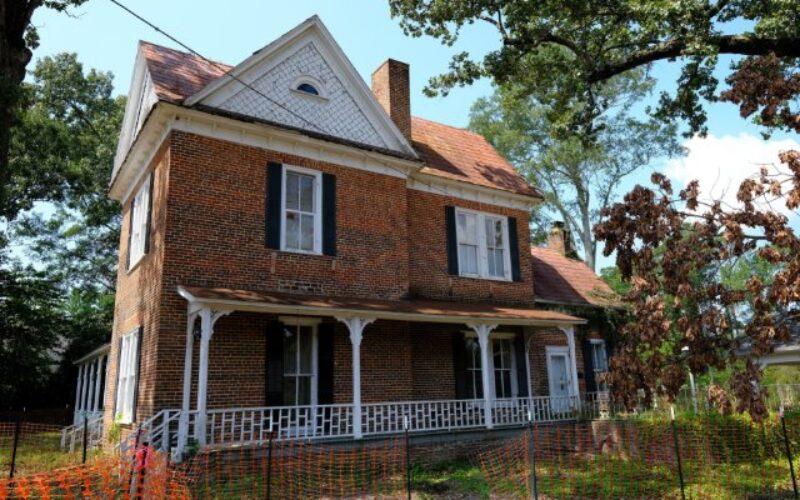
Before buying a distressed home, check the property’s condition and understand the financial risks. The following areas can help you decide whether a property is worth considering.
Physical Condition
Begin with a professional inspection rather than relying on a quick walkthrough. Distressed properties may have roof leaks, faulty wiring, plumbing failures, pest damage, or structural movement. These problems can be expensive and may also delay insurance or occupancy approval.
Ask contractors to inspect major concerns and provide written estimates before you commit. Compare at least two quotes when possible, since pricing and recommended work may differ.
Review Title and Ownership Issues
Legal problems can make a distressed home more difficult and expensive to buy. Do a title search to check who owns the property and whether any debts or restrictions are attached to it. Consider asking a title professional or solicitor to review the results.
Important title and ownership details to check include:
- The legal owners, who must all agree to and sign the sale documents.
- Existing liens, which are claims against the property for unpaid debts.
- Outstanding taxes or charges to pay before closing.
- Property boundaries, which should match the official plans and records.
- Planning or permit issues that may affect additions or previous renovations.
Estimate Repairs and Holding Costs
Create a complete project budget instead of focusing only on the purchase price. Include repairs, permits, professional fees, insurance, utilities, taxes, and loan payments. A longer renovation schedule means these recurring costs continue for more months.
Plan for delays caused by contractor availability, material shortages, inspections, or unexpected damage. Keep a cash reserve separate from the planned renovation budget.
Common holding expenses may include:
- property taxes and insurance premiums
- electricity, water, and security
- interest and lender charges
- maintenance and emergency repairs
Confirm Value and Financing Options
Study recent comparable sales rather than assuming every renovation will increase the property’s value. Use nearby properties with similar size, condition, features, and location. Overestimating the after-repair value can make an otherwise promising purchase financially unworkable.
Distressed properties may not meet the condition standards required by conventional mortgage providers. Instead, you may want to use hard money for distressed residential buys. With this financing option, approval may depend more on the property’s potential value and renovation plan than on its current condition. Compare rates, fees, borrower contributions, timelines, and repayment requirements before accepting any loan.
A distressed property is more than a discounted home—it is a full financial project. Before making an offer, review the inspection results, title records, repair costs, comparable sales, and financing terms. The strongest deals are based on realistic numbers, not optimism. By carefully assessing the opportunities and risks, you can make a more confident and manageable purchase.
Image Credentials: Photo by: dbvirago License # 291122066
end of post … please share it!
end of post idea for home improvement
view and analyze home improvement ideas at our LetsRenovate center
Helpful article? Leave us a quick comment below.
And please give this article a rating and/or share it within your social networks.