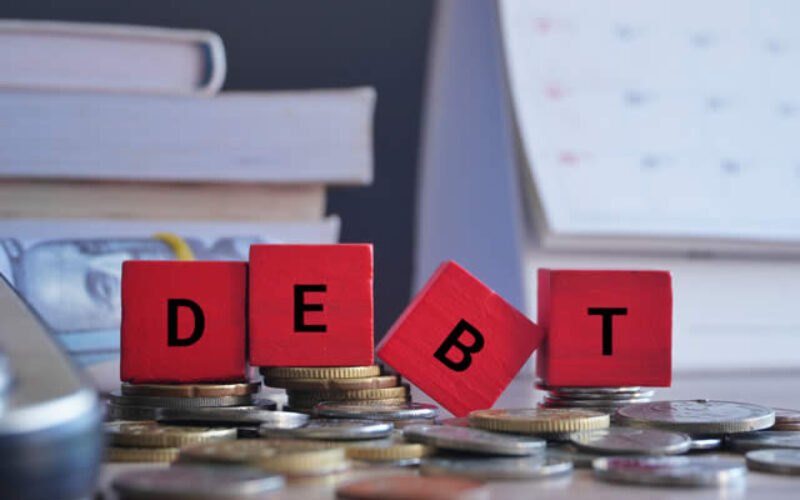
The recent energy around consumer debt online clusters into several distinct themes: a palpable anxiety about rising balances, a fascination with viral "debt-free" payoff stories, the normalization of Buy Now, Pay Later (BNPL) services, and a burgeoning "underconsumption" movement pushing back against excess.
Understanding these trends offers more than just a glimpse into the cultural zeitgeist; it provides a roadmap for navigating your own financial journey.
Whether you are feeling the pressure of inflation or simply looking to streamline your finances, recognizing how the world talks about debt can help you feel less alone and more empowered to take control.
- post content
- The Rising Tide of Financial Anxiety
- The Allure of Viral Payoff Content
- Buy Now, Pay Later and the "Aesthetic" of Debt
- The Push for Minimalism and Underconsumption
- Actionable Strategies for Debt Reduction
- Budgeting and Cutting Expenses Effectively
- Taking Control of Your Financial Narrative
- view post (new win):Build Wealth on tight Budget
The Rising Tide of Financial Anxiety
If you have felt a tightening in your chest when checking your bank balance, you are certainly not the only one. Recent finance reports and search data indicate that coping with higher balances is dominating public interest.
Search terms like "how to pay off credit card debt" and queries about managing debt on a low income have surged. This reflects a broader economic reality where inflation has pushed the cost of living higher, forcing many to rely on credit to bridge the gap between their income and their expenses.
This anxiety is compounded by the nature of modern debt. It is not always a result of lavish spending; often, it is a survival mechanism.
People are searching for terms like "budgeting for inflation" and "cutting expenses" because debt is increasingly framed as a side effect of higher prices rather than just lifestyle creep. The stress is real, and the first step in managing it is acknowledging that this is a systemic issue affecting millions, not a personal failing.

The Allure of Viral Payoff Content
In response to this rising anxiety, a counter-movement has taken hold online: the viral debt payoff story. Social media platforms are filled with videos and posts detailing how individuals paid off massive amounts of debt in record time.

These stories often feature aggressive budgeting, side hustles, and extreme frugality. They serve as both inspiration and entertainment, offering a beacon of hope that financial freedom is attainable.
However, while these stories can be motivating, they can also be deceptive. The "debt-free scream" or the aesthetic spread of a zero-based budget planner can mask the grueling reality of the process. It is important to view this content critically.
While the end result is desirable, the methods used by an influencer might not be applicable to your specific situation. The true value in this trend lies in the community it fosters—a space where talking about money is encouraged and shame is diminished.
Buy Now, Pay Later and the "Aesthetic" of Debt
A fascinating and somewhat concerning trend is the aestheticization of debt through Buy Now, Pay Later (BNPL) services. Apps like Klarna and Afterpay have integrated seamlessly into the online shopping experience, often framed as a smart or convenient way to manage cash flow.
This has given rise to search trends comparing BNPL to credit cards and questioning the safety of these platforms.
The danger here lies in the friction-free nature of the transaction. By breaking a purchase down into four small payments, the total cost feels less significant. This can lead to what some call "cute" debt—small, manageable amounts that, when aggregated, become overwhelming.
As people realize that these deferred payments are indeed debt, the conversation is shifting toward understanding how these apps can silently build up balances and impact long-term financial health.
The Push for Minimalism and Underconsumption
Every action has a reaction, and the surge in easy credit and online shopping has birthed the "underconsumption" movement. This is not just about decluttering; it is a deliberate rejection of the constant pressure to buy.
Influencers are now showing off what they didn’t buy, repurposing old items, and celebrating the longevity of their possessions rather than the newness of them.
This trend aligns closely with searches for "stopping impulse buying." It reframes frugality not as a deprivation, but as a reclaiming of power. By choosing to consume less, you naturally reduce the reliance on credit.
This mental shift is powerful. It moves the goalpost from "how can I afford this payment?" to "do I actually need this item to be happy?" Embracing a version of minimalism can be one of the most effective tools in your debt-reduction arsenal.
Actionable Strategies for Debt Reduction
Moving from trends to tactics requires a clear plan. If the online discourse has inspired you to tackle your own balances, there are proven methods to help you succeed.
The "Snowball Method" suggests listing your debts from smallest to largest balance, regardless of interest rate. You pay minimums on everything else while throwing every extra dollar at the smallest debt. The psychological win of eliminating a bill quickly can provide the momentum needed to keep going.
Alternatively, the "Avalanche Method" focuses on the math. You target the debt with the highest interest rate first. This saves you the most money over time but requires patience, as it may take longer to see the first debt completely disappear.
For those dealing with high-rate credit cards, consolidation loans or 0% balance transfer cards are also popular search topics. These tools can lower your interest burden, but they only work if you address the underlying spending habits that created the debt in the first place.
Budgeting and Cutting Expenses Effectively
The foundation of any debt payoff strategy is a solid budget. This does not mean you must live on rice and beans, but it does mean you need total clarity on where your money is going. Start by tracking your expenses for a full month.
You might be surprised to find leaks in your budget—unused subscriptions, frequent dining out, or those "small" BNPL payments adding up.
Once you have the data, you can make informed choices. Can you negotiate a lower rate on your internet bill? Can you swap a brand-name product for a generic one?
These small cuts accumulate. The goal is to widen the gap between your income and your expenses, creating a surplus that can be directed toward your debt. Remember, the most effective budget is one you can stick to, so allow yourself a little grace and flexibility.
other related articles of interest:
Overcoming High Credit Card Debt: Practical Strategies for Financial Wellness
Help! I’m Broke and Don’t Know What to Do | A Guide to Getting Your Finances Back
Taking Control of Your Financial Narrative
The conversation around debt is loud, diverse, and constantly evolving. From the anxiety of inflation to the inspiration of debt-free screams, the internet offers a mirror to our collective financial struggles and triumphs.
By understanding these trends—the risks of BNPL, the freedom of underconsumption, and the power of strategic payoff methods—you can filter out the noise and focus on what matters.
Your financial journey is personal. It does not need to look like a viral video or a perfectly aesthetic planner. It just needs to move you forward.
By staying informed and taking proactive steps to manage your money, you are already winning. Start where you are, use the resources available to you, and build a financial future that brings you peace of mind.
References
Image Credit: consumer debt trends by envato.com
end of post … please share it!
end of post idea for home improvement
view and analyze home improvement ideas at our LetsRenovate center
Helpful article? Leave us a quick comment below.
And please give this article a rating and/or share it within your social networks.