

Home Tips

Your Complete Guide to Hosting the Perfect Thanksgiving
The gentle rustle of autumn leaves, the crisp air that hints at winter’s approach, and the unmistakable warmth that comes from gathering loved ones around your table—Thanksgiving creates some of our most cherished memories.

Halloween Safety Tips for Kids: A Parent’s Complete Guide
Halloween brings excitement, creativity, and joy to children across neighborhoods everywhere. The anticipation of dressing up in favorite costumes, visiting decorated houses, and collecting treats creates memories that last a lifetime.

Moving Closer to Family: How to Stay Connected Without Losing Independence
Relocating closer to family can be one of life’s most rewarding transitions — but it also requires thoughtful balancing between connection, privacy, and purpose.
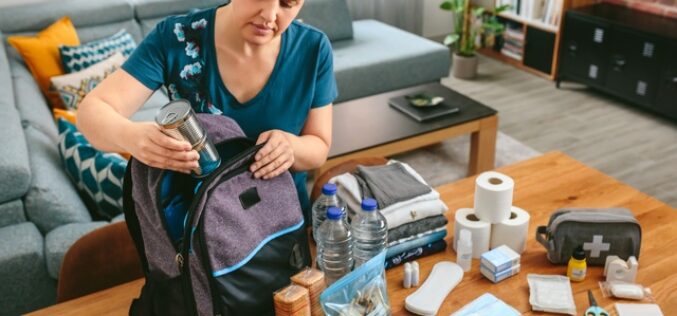
Survival Kits: Your Guide to Assembling One
Natural disasters, power outages, and emergencies strike without warning. Having a well-stocked survival kit gives you the tools and supplies you need when normal services become unavailable.

Fix It Yourself: A Homeowner’s Guide to DIY Appliance Repair
There’s a particular sense of satisfaction that comes with repairing something yourself. For homeowners, mastering the art of DIY appliance repair not only saves money, but it also empowers you to better understand the machines you rely on daily.

Understanding Parenting Lawyers: The Unsung Heroes Of Custody Battles
As anyone who has navigated the emotional whirlpool of a custody battle would attest, these are tricky grounds to tread. It’s the legal equivalent of a robust New York cheesecake – complex, weighty, and laden with layers of challenges.

How Emergency Crews Can Help With Disaster Cleanup
For victims of disasters, having someone there to help as soon as possible can be a lifesaver. Here’s how emergency crews can turn the tide after an incident.

Surviving a Blackout: How To Prepare for a Power Outage
When it comes to blackouts, power outages, and other similar events, being prepared is all about thinking ahead and taking the necessary steps.

Is Working From Home Still Beneficial for You To Try?
If you missed out on working from home during the pandemic, it’s never too late to try it out. Find out if it’ll be beneficial for you in this short guide.

Warning Signs That a Cash Offer for Your Home Is a Scam
Scammers take advantage of distressed homeowners in a variety of deceptive ways. Learn the warning signs that a cash offer for your home is a scam.

Methods for Improving Relationships Between You and Your Tenants
As a property owner, you already understand the importance of establishing and maintaining solid relationships with your tenants. After all, tenant satisfaction affects not only the quality of their tenancy but also their income potential from rental properties.

How a Father in a Leadership Position Helps in His Child’s Growth
One of the essential qualities a father can have is being a leader. A father can show his children what a good role model is and how they can be successful if they follow the example that he sets for them.

Small Items That Homeless Shelters Really Need
When we think about homeless shelters, we need to think necessities. For those in need, we must ask the important questions to help sustain them when we can.
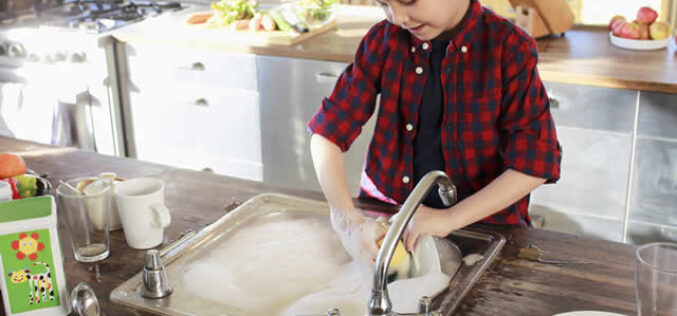
How To Get Your Kids To Do Chores Without The Drama
In Western cultures, many parents exempt toddlers and young children from helping around the house, believing they are incapable of helping.

How To Keep Your Kids Occupied While Working at Home
Even after lockdown, work and childcare can clash, as bored kids can interrupt board meetings. Here’s how to keep your kids occupied while working at home.
